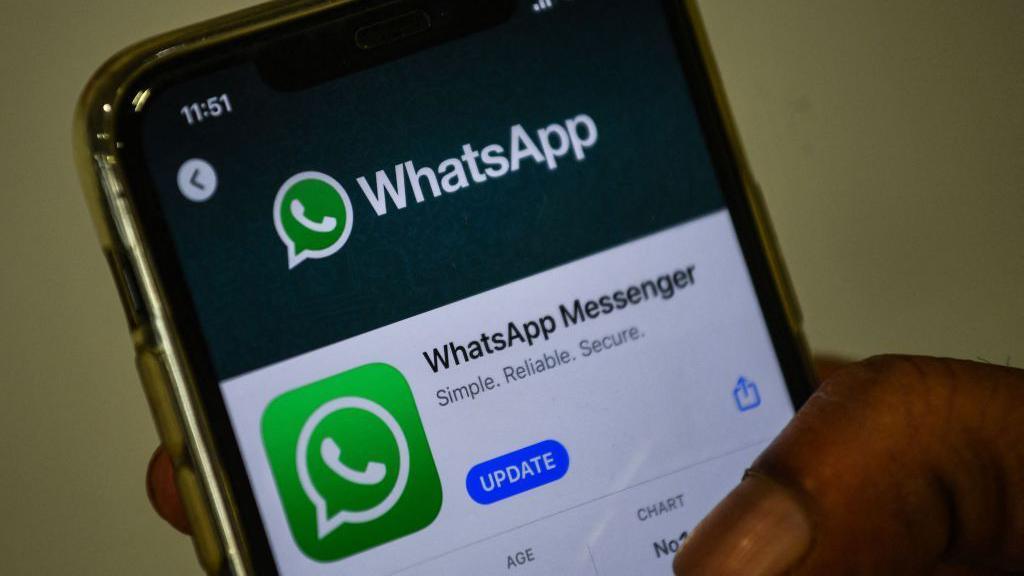
The instant messaging application WhatsApp, owned by Meta, is at the center of a significant legal battle in India, the country with its largest user base globally. The judicial challenge questions the legality and constitutionality of its controversial privacy policy update announced in 2021, which would allow sharing certain user data with companies within the Meta ecosystem, including Facebook. The case, filed before the Supreme Court of India, alleges that the policy violates Indian citizens' fundamental right to privacy, a right recognized by the country's highest court in 2017.
The context of this dispute dates back to January 2021, when WhatsApp notified its users about an update to its Terms of Service and Privacy Policy. The new policy stated that data from users' interactions with business accounts on the platform could be used by Facebook (now Meta) for advertising and product development purposes. Although the company clarified that the content of personal messages and calls would remain protected with end-to-end encryption, the move sparked a massive backlash of concern among users, activists, and regulators worldwide, being particularly intense in India, where the app boasts over 500 million users.
The petitioners before the Supreme Court, including a scholar and a lawyer, argue that WhatsApp's policy is "abusive" and "exploits the dominant position" of the application in the market. They contend that the "take it or leave it" option presented to users does not constitute genuine consent, given the near-essential nature of the platform for the daily, social, and professional communication of millions. Furthermore, they allege the policy is discriminatory, as stricter rules under the General Data Protection Regulation (GDPR) apply in the European Union, resulting in a different, less intrusive policy for European users.
"The policy in question undermines India's data sovereignty and its citizens' right to privacy," stated one of the lawyers representing the petitioners recently. "We demand it be declared unconstitutional and that WhatsApp be prohibited from implementing any policy that allows data sharing with third-party companies without explicit, specific, and informed consent." For its part, WhatsApp has repeatedly defended its stance, asserting that the privacy update does not affect the privacy of personal messages and is necessary to enable users to interact with businesses. The company has also postponed the deadline for accepting the new terms in India multiple times, facing regulatory and legal pressure.
The impact of this case extends beyond WhatsApp and could set a crucial precedent for data governance and the regulation of big tech in India. The country is in the process of developing comprehensive personal data protection legislation, and the Supreme Court's ruling could directly influence its drafting and scope. For users, a ruling against WhatsApp could mean greater protection of their data and limitations on the monetization practices of digital platforms. For the tech industry, it could establish stricter standards on consent and transparency, affecting business models based on targeted advertising.
The conclusion of this litigation is pending, with hearings scheduled for the coming weeks. The outcome will not only define the future of WhatsApp's privacy policy in its largest market but will also serve as a global benchmark in balancing commercial technological innovation with fundamental privacy rights in the digital age. The decision of India's Supreme Court will be closely watched by regulators, tech companies, and privacy advocates worldwide, as it could mark a turning point in how the data policies of dominant platforms are regulated.