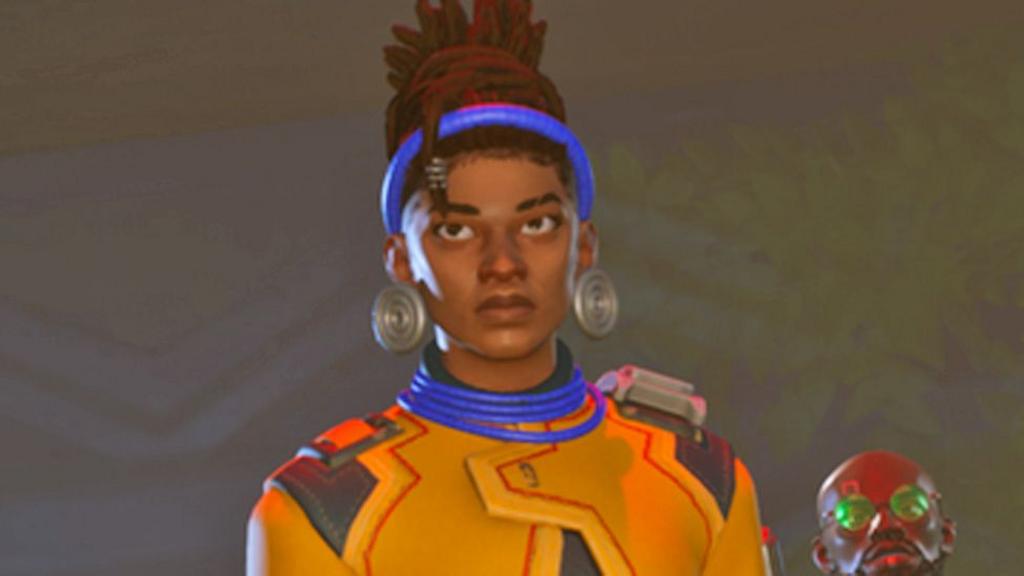
A new immersive narrative video game is sparking intense cultural debate by allowing players to dive into a dystopian future where Africa attempts to reclaim its looted heritage. Provisionally titled '2099: The Broken Covenant', the game is set in a scenario where a historic treaty for the return of cultural artifacts, signed decades earlier, begins to crumble, leading citizens of a unified continent to take matters into their own hands. This playful proposition is not just entertainment; it is a powerful social commentary on one of the most painful legacies of colonialism: the systematic plunder of objects of incalculable cultural, spiritual, and historical value.
The game's context is based on an undeniable historical reality. During the colonial era, thousands of artifacts, sculptures, ceremonial masks, jewels, and manuscripts were taken from Africa by colonial forces, missionaries, and collectors. Today, institutions like the British Museum, the Louvre, and Berlin's Ethnological Museum hold vast collections of these goods, while source countries fight for their restitution. The game imagines a tipping point in 2099, where a major 'Pan-African Restitution Treaty', inspired by real efforts like Nigeria's for the Benin Bronzes or Ethiopia's for the Aksum obelisks, is failing due to international bureaucracy, bad faith, and new geopolitical interests.
Players assume the role of a 'reclaimer', a member of a clandestine network operating in a technologically advanced and politically united Africa. The mission is not one of violence, but of ingenuity, underground diplomacy, and cultural hacking, involving infiltration of virtual museums and negotiation in digital art markets. 'It's a fantasy of agency,' explained the game's creative director, Nigerian Amara Chike, in statements gathered by specialized media. 'For centuries, the narrative has been one of passive loss. This game asks: what if the next generation, armed with technology and a renewed Pan-African identity, decided to rewrite that ending? It's not about fostering theft, but about exploring restorative justice through a powerful interactive metaphor.'
Data on the plunder is overwhelming. It is estimated that between 90% and 95% of sub-Saharan Africa's material cultural heritage is located outside the continent. France alone, following a commissioned report in 2018, pledged to return 26 artifacts to Benin and Senegal, a symbolic but minuscule gesture compared to the tens of thousands of objects still held. The game incorporates these statistics into its lore, showing virtual museum halls crowded with digital replicas of real objects not yet returned, adding a deeply moving educational layer to the experience.
The impact of '2099: The Broken Covenant' transcends the gaming sphere. It is being analyzed in forums on museology, ethics, and postcolonial studies. Some museum curators have expressed discomfort, arguing it oversimplifies a complex issue. Others, like Ghanaian historian Kwame Asante, defend it: 'The game is a symptom of real historical frustration. By bringing the conversation to a popular medium like video games, it democratizes and rejuvenates the debate on restitution, reaching an audience that would never attend an academic symposium on the topic.' On African social media, anticipation is high, with many users sharing the idea that there is finally a space where they can 'play' at recovering a part of their stolen soul.
In conclusion, this video game represents a significant cultural phenomenon. It signals the maturity of African creators in the digital entertainment industry to tackle complex historical narratives with sophistication and contemporary relevance. More than a mere pastime, '2099: The Broken Covenant' functions as an interactive mirror of a collective yearning and a playful, yet poignant, reminder that the historical debt regarding African heritage remains unpaid. Its future success will measure not only its technical merits but also its ability to keep a crucial global conversation about memory, justice, and who history truly belongs to alive and accessible.