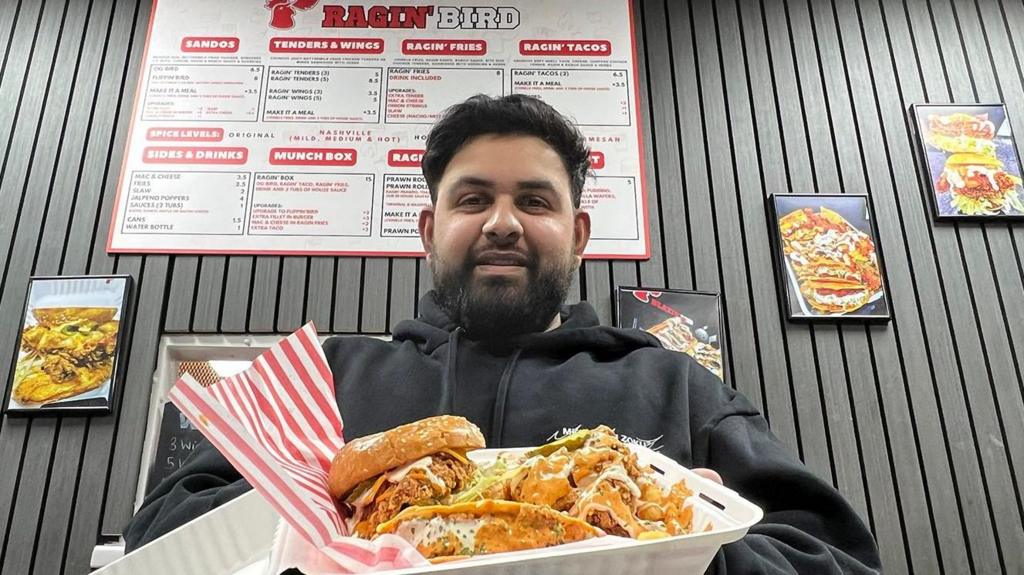
A culinary craze has crossed the Atlantic and is transforming British eating habits. What began as a niche interest fueled by American social media influences has exploded into a massive cultural and commercial phenomenon: the obsession with American-style fried chicken. This trend, driven by chains like Popeyes, KFC in its premium formats, and a myriad of independent specialty restaurants, is challenging the century-long hegemony of the traditional British 'chippy' – the fish and chip shop that has been a staple of UK street food for over a century. The urban culinary landscape is shifting rapidly, with new openings promising crispy coatings, spicy sauces, and secret blends of herbs and spices, raising a fundamental question about the future of local food institutions.
The context for this transformation is multifaceted. On one hand, the globalization of taste, accelerated by platforms like TikTok and Instagram, has exposed British consumers, particularly younger ones, to American food trends. 'Food porn' videos showcasing crunchy chicken sandwiches, juicy tenders, and dripping sauces have generated immense hype. On the other hand, aggressive investment from major restaurant groups has been key. The re-entry of the American chain Popeyes into the UK market in 2021, after a failed attempt in the 1990s, marked a tipping point. Its flagship London opening saw queues lasting for hours, a scene repeated with each new launch. This strategy has been emulated by other players, creating a sense of novelty and urgency among consumers.
Data reveals the scale of the change. According to a report from market research firm NPD Group, sales of fried chicken at quick-service restaurants in the UK grew over 20% year-on-year in 2023, far outpacing growth in other segments. Meanwhile, the National Federation of Fish Friers (NFFF) reports that while fish and chip sales remain stable, their market share within the takeaway sector is under pressure. A YouGov poll indicates that 35% of Britons aged 18-34 now prefer fried chicken as their favorite fast food, compared to 28% who choose fish and chips. This generational gap is significant and points to a long-term shift in preferences.
Statements from those involved paint a complex picture. James, owner of a family-run chippy in Yorkshire for three generations, remarks: 'We see the younger crowd walking past to the new chicken places. It's hard to compete with the marketing and the novelty. But our product is quality, fresh, and local. It's a tradition.' Conversely, a spokesperson for a major fried chicken chain stated: 'We are responding to clear demand from the modern consumer, who seeks bold flavors, convenience, and an experience they can share on social media. It's the natural evolution of the sector.' Economic analysts, such as Sarah Lawson from consultancy Allegra Strategies, note: 'The UK fast-food market is undergoing accelerated Americanization. Fried chicken is the spearhead of this trend, offering high margins and near-universal appeal. Traditional chippies won't disappear, but they must innovate to maintain their relevance.'
The impact of this trend is profound and extends beyond commercial competition. It affects supply chains, with increased demand for specific chicken cuts for breading, and puts pressure on suppliers of traditional white fish like cod and haddock. Culturally, it symbolizes a move away from a national culinary identity rooted in the coast and the fishing industry, towards a more globalized, urban one. For the consumer, it means more choice and a price and promotion war that may benefit them in the short term. However, there is also concern about the homogenization of the high street and the loss of locally rooted businesses with deep community ties.
In conclusion, Britain's transformation into a 'fried chicken nation' is a microcosm of broader global forces: the influence of digital culture, transatlantic corporate investment, and shifting generational values. The traditional chippy, an emblem of British resilience, faces perhaps its most significant challenge since the popularization of the Indian takeaway in the 1970s. Its survival will depend not only on the nostalgic loyalty of an older clientele but on its ability to adapt, perhaps by incorporating elements of these new trends without losing its core identity. The likely outcome is a hybrid culinary landscape, where the smell of malt vinegar mingles with the aroma of Cajun spices, reflecting an ever-evolving British society. The battle for the British stomach is on, and it's crispier than ever.