The world of English football is immersed in a whirlwind of unprecedented instability. The confirmation of Mauricio Pochettino's departure from the Chelsea dugout, after just one season, is not an isolated event, but the final chapter of a 2023/24 campaign that has seen the Premier League smash its own historical record for managerial sackings. With the Argentine's dismissal, the figure rises to a total of fifteen managers fired throughout the season, surpassing the previous mark of fourteen set in the prior campaign. This phenomenon reflects a culture of impatience and immediate pressure for results that has intensified in recent years, turning the managerial hot seat into one of the most insecure jobs in world sport.
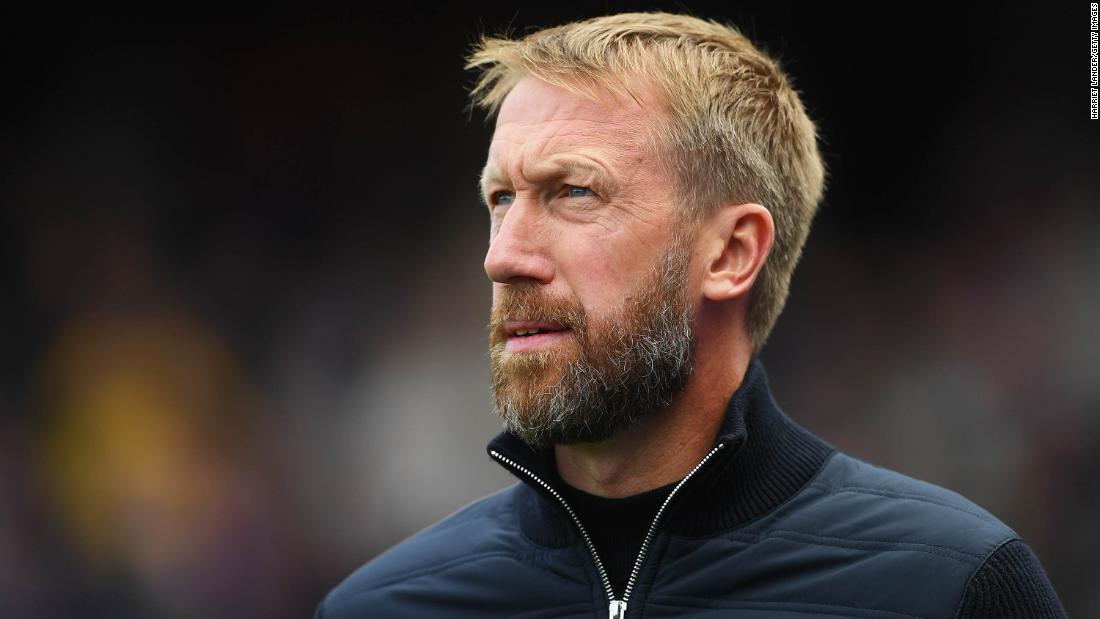
The case of Chelsea is paradigmatic and summarizes the crisis in long-term planning. Just six months ago, Graham Potter was presented as the architect of an ambitious and renewing project, backed by the new ownership consortium led by Todd Boehly. However, a streak of poor results cut that plan short, and Potter was sacked in April, leaving Frank Lampard as interim manager until the end of the season. Pochettino's arrival in the summer generated a new aura of hope, based on his Premier League experience and his ability to develop young talent. Nevertheless, inconsistent performances, a lack of defensive solidity, and an inability to enter the fight for Champions League places precipitated his exit. "By mutual agreement, the club and the manager have decided to part ways," read Chelsea's official statement, thanking Pochettino for his service.
This sacking record is not concentrated at the bottom of the table. Major institutions such as Tottenham Hotspur (who sacked Antonio Conte), Chelsea (twice), Leeds United (with Jesse Marsch and Javi Gracia), Everton (Frank Lampard), Leicester City (Brendan Rodgers), and Southampton (Nathan Jones and Rubén Sellés) have contributed to this grim statistic. Economic pressure is a determining factor: staying in the Premier League guarantees TV revenue of over £100 million, while qualifying for European competitions provides an even greater financial cushion. This dynamic turns any sequence of poor results into a potential emergency that executives try to solve with a change in the dugout, often as a reflex action to calm demanding fans and impatient investors.
Sports management experts have criticized this trend. Statements from figures like Gary Neville, former player and now pundit, resonate strongly: "We are creating a monster. Patience has ceased to be a virtue; it is a luxury no owner seems to afford. They sign three or four-year contracts, but expect miracles in three or four months. It is unsustainable and harms the development of a style of play and a club identity." The data supports this skepticism: several of the clubs that have changed managers this season, such as Everton or Leeds, have not substantially improved their position and continued to fight against relegation until the end.
The impact of this frenetic rotation is profound and multifaceted. For managers, it means a career full of uncertainty and immense difficulty in implementing medium-term philosophical ideas. For players, constant instability hinders adaptation to different tactical systems and demands, which can undermine their performance and development. For clubs, it entails an enormous economic cost in compensation and, paradoxically, can distance them from their goals by preventing the consolidation of a coherent sporting project. Chelsea's search for a new manager is already underway, with names like Kieran McKenna (of Ipswich Town), Roberto De Zerbi (then free after leaving Brighton), or Thomas Frank (of Brentford) being strongly linked. Whoever takes the role will do so knowing that the margin for error is minimal and that the recent history of the club and the league does not invite optimism regarding stability.
In conclusion, the Premier League has crossed a worrying threshold. The record of fifteen sackings in a single season is not an anecdote, but a symptom of a systemic illness: the primacy of immediate results over strategic planning. The case of Chelsea, with its search for a fourth permanent manager in just two years under the new ownership, exemplifies this crisis of identity and patience. As long as revenues continue to grow and the stakes remain so high, the manager's seat is likely to remain the hottest in world football. The challenge for clubs now will be to find a balance between legitimate ambition and building sustainable projects that transcend the obsession with short-termism. The long-term competitive health of the league may depend on it.