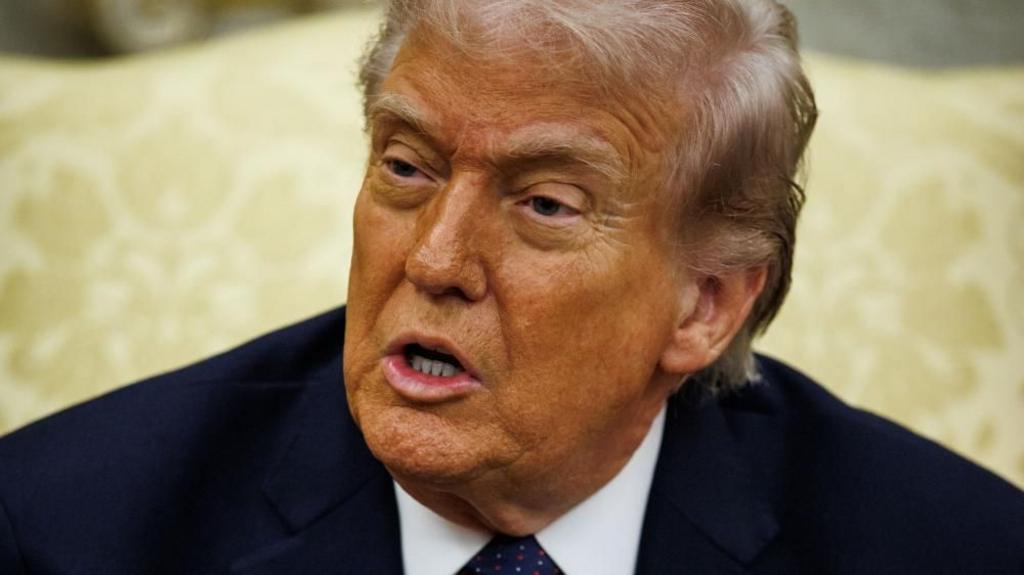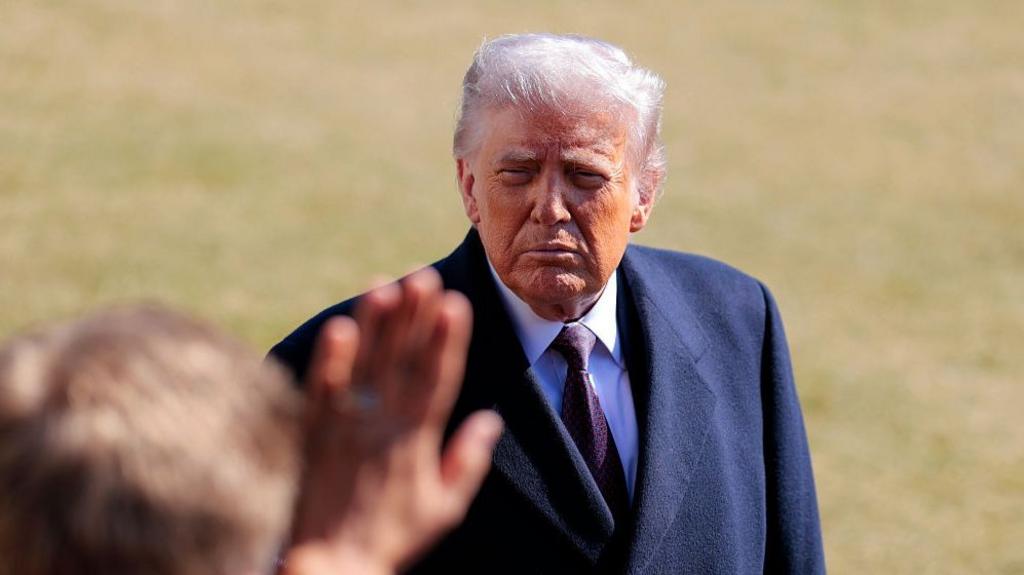
Former U.S. President Donald Trump has publicly expressed his dissatisfaction with Iran in the context of recent international talks concerning its nuclear program. In statements picked up by various media outlets, Trump used his characteristic direct language to state he is "not thrilled" with the Iranian government's actions and stance, reviving tensions that marked his presidency. This comment comes at a delicate time, as world powers attempt to revive the 2015 Nuclear Deal, formally known as the Joint Comprehensive Plan of Action (JCPOA), from which Trump withdrew the United States in 2018.
The context for these statements is complex. The talks in Vienna, involving Iran and the remaining JCPOA powers (the UK, France, Germany, Russia, and China), along with indirect U.S. mediation, aim to restore compliance with the agreement. The original pact imposed strict limits on Iran's nuclear program in exchange for the lifting of international economic sanctions. Trump's withdrawal and the subsequent imposition of "maximum pressure" sanctions led Iran to progressively increase its nuclear activities beyond the agreed limits, enriching uranium to higher purity levels and accumulating larger stockpiles.
Relevant data underscores the urgency of the situation. According to the latest reports from the International Atomic Energy Agency (IAEA), Iran has accumulated enough uranium enriched to 60% purity—a level close to weapons-grade—that, if further enriched, could theoretically be used to make several nuclear weapons. The estimated time for Iran to produce enough fissile material for one bomb, known as the "breakout time," has shrunk significantly since the erosion of the JCPOA, from over a year to just a few weeks, according to expert analyses. This scenario generates growing concern about a potential arms race in the volatile Middle East region.
Trump's statements are not isolated and reflect a broader political stance. "We've seen this before. Iran does not negotiate in good faith. They only respond to strength and massive economic pressure," the former president asserted in his remarks, echoing the "maximum pressure" doctrine that defined his administration. This stance contrasts sharply with that of the current Biden administration, which seeks a mutual return to compliance with the deal through diplomacy. Analysts note that Trump's comments aim to influence the domestic U.S. political debate and pressure the Biden administration to adopt a tougher line, especially ahead of the upcoming elections.
The impact of these statements is multifaceted. Domestically in the United States, they reinforce the partisan divide over Iran policy, making the prospect of a lasting national consensus more difficult. On the international stage, they send a signal of disunity and volatility in the U.S. posture, which could make Iran doubt the solidity of any future commitment and seek firmer concessions. For U.S. regional allies, such as Israel and Saudi Arabia, who always opposed the JCPOA, Trump's words are an endorsement of their skepticism. Conversely, proponents of diplomacy fear that this kind of rhetoric undermines the fragile negotiation process and increases the risk of a military confrontation.
In conclusion, Donald Trump's statement of being "not thrilled" with Iran is more than a mere political comment. It is a potent reminder of the deep divisions that persist in the Western approach to Iran's nuclear program and of the long shadow that U.S. domestic politics casts on global security. As diplomats work against the clock in Vienna to avert a new crisis, political uncertainty in Washington adds another layer of complexity to one of the world's most pressing non-proliferation challenges. The success or failure of the talks will not only determine the future of Iran's nuclear program but will also test the international community's ability to maintain a united front on a critical security issue.