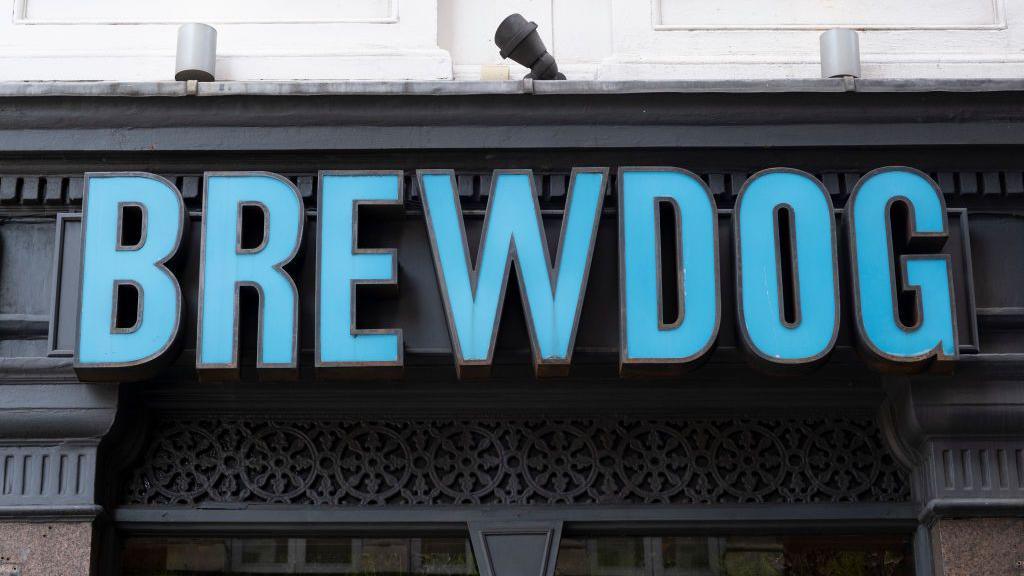
The global craft beer landscape is facing a potential historic inflection point. Brewdog, the iconic and often controversial Scottish brewery founded in 2007 by James Watt and Martin Dickie, has been officially put up for sale. According to reports from financial sources close to the company, the founders have hired the financial services firm Rothschild & Co. to explore strategic options, including a potential full sale or a significant capital investment. This move has triggered intense debate within the industry, raising questions about the future of one of the most influential and disruptive brands in the independent brewing sector.
Brewdog was born in a garage in Aberdeenshire with the stated mission of revolutionizing British beer, then dominated by industrial lagers. Its aggressive focus on high-alcohol, hoppy beers, irreverent marketing, and a pioneering crowdfunding campaign under the "Equity for Punks" banner catapulted it to worldwide fame. The company grew exponentially, opening numerous owned bars (called "Bars") globally, building a massive brewery in Ellon, Scotland, and another in Columbus, Ohio, USA, and diversifying into spirits, a beer hotel, and even a carbon-capturing forest park. However, this meteoric growth was not without controversy. Brewdog has faced accusations of fostering a "culture of fear" in the workplace, tasteless advertising campaigns, and legal disputes, tarnishing its rebel image.
The most recent available financial data, for 2022, shows Brewdog generated revenue of approximately £321 million (around $400 million), with an operating profit of £24 million. The company values its assets at over £2 billion, though an actual sale valuation could be significantly different. The sale process comes at a complex time for the sector. The global craft beer industry faces pressures from inflation in raw material costs (hops, barley, energy), increasing competition, and shifting post-pandemic consumption habits. Many smaller breweries have closed, while multinational beer giants have acquired numerous craft brands over the past decade.
James Watt, who recently stepped down as CEO but remains a majority shareholder alongside Martin Dickie, has not made direct public statements about the sale process. However, in previous communications to "Punk" shareholders, he has acknowledged the challenges of the current environment. A company spokesperson, quoted by financial media, stated: "Brewdog regularly receives interest from third parties wanting to partner with or invest in our business. As an ambitious company, we are always open to exploring opportunities that may help to drive our future growth and our mission to make as many people as possible love craft beer." Industry analysts suggest potential buyers could include large private equity funds, another major beverage conglomerate, or even a management buyout.
The impact of a Brewdog sale would be profound and multifaceted. For the over 200,000 minority "Equity for Punks" shareholders, it represents a crucial moment that could materialize (or not) the return on their investment. For the craft beer ecosystem, the acquisition of its most visible flagship by a corporate actor could symbolize the end of an era of fierce independence. It could alter dynamics in distribution, pricing, and brand philosophy. For the market, a transaction of this magnitude would be one of the most significant deals in premium beverage history, sending shockwaves through remaining craft breweries and attracting greater financial attention to the sector.
In conclusion, the decision to put Brewdog up for sale marks a pivotal chapter not only for the company but for the entire modern craft beer industry. It represents the crossroads faced by many high-growth businesses: the tension between maintaining an independent, counter-cultural identity and the need for capital and scale to survive in an increasingly competitive and consolidated market. The outcome of this process will determine whether Brewdog retains its punk essence under new ownership or becomes another brand within a global giant's portfolio—a fate its founders once swore to avoid. The beer world watches closely, waiting to see who will raise a pint of this game-changing brewery.