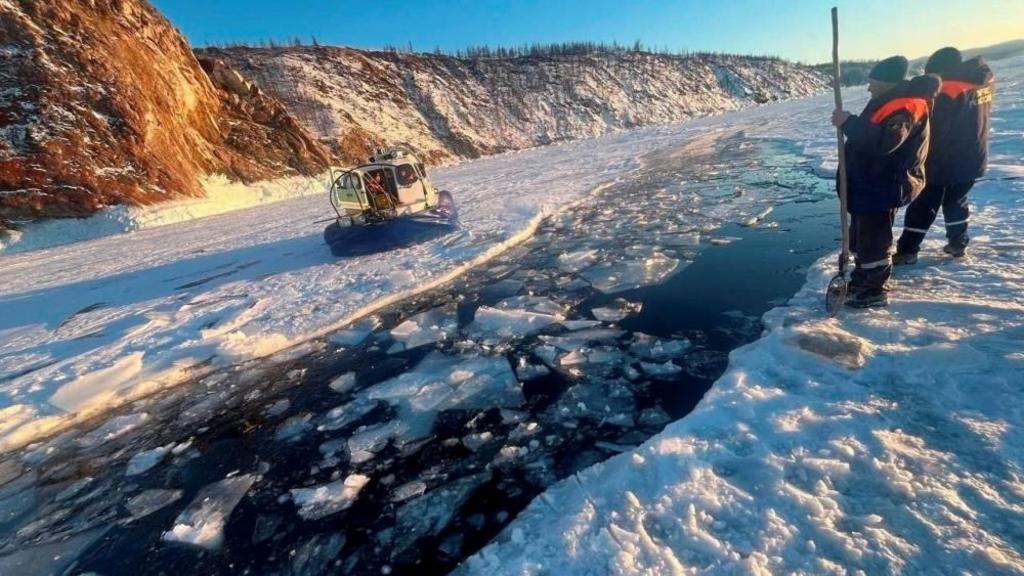
In a rescue operation that has shocked the international community, Russian emergency divers successfully recovered the bodies of seven Chinese tourists from the bottom of Lake Baikal, the world's deepest and oldest lake, located in Siberia. The tragedy occurred when a tourist vehicle sank after falling through a crack in the ice, highlighting the risks associated with tourism activities in extreme conditions and sparking a debate about safety in this remote Russian region. Authorities confirmed that all the deceased were Chinese citizens who were part of a tourist group on an ice excursion, a popular activity among visitors seeking to experience the lake's unique winter landscape.
The incident took place in the area of Olkhon Island, a well-known tourist destination within the lake. According to initial reports from Russian emergency services, the vehicle carrying the tourists was traveling on the frozen surface of the lake when the ice gave way, causing it to plunge into the frigid waters. The water temperature at this time of year is around 0°C, making survival virtually impossible without specialized equipment. Rescue teams, composed of divers from Russia's Ministry of Emergency Situations (EMERCOM), worked in extremely difficult conditions, with limited visibility and the constant risk of further ice cracking. The recovery operation lasted several hours until all bodies were located and retrieved.
Lake Baikal, a UNESCO World Heritage Site, is a natural wonder that attracts thousands of tourists each year, especially during winter when its surface freezes into a landscape of crystalline ice. However, this beauty conceals significant dangers. Ice thickness can vary considerably due to underwater currents, thermal cracks, and geothermal activity, creating unstable areas that can collapse without warning. Local authorities typically establish marked safe routes for vehicles, but unregulated tour operators or excursions outside these routes can increase the risk of accidents. This is not the first such incident at Baikal; several fatal accidents involving vehicles sinking through ice have been recorded in previous years.
China's Ministry of Foreign Affairs confirmed the victims' nationality and expressed condolences to the families. A spokesperson stated: 'We are deeply saddened by this tragic loss of life. Chinese authorities are in close contact with their Russian counterparts to provide all necessary assistance to the victims' families and to ensure a thorough investigation into the circumstances of the accident.' For their part, Russian authorities have launched an investigation to determine the exact causes of the accident, assessing whether safety protocols were followed and if the tour operator had the necessary permits. This incident is expected to lead to a review of safety regulations for winter tourism on the lake.
The impact of this tragedy extends beyond the affected families. It has raised concerns in the region's tourism industry, which relies heavily on international visitors, particularly from China, one of the most important source markets for Siberia. Local tour operators fear the incident could deter future visitors, affecting the economies of communities living around the lake. Furthermore, it has reignited the debate on how to balance tourism development with the preservation of safety and Baikal's fragile ecosystem. Environmental groups have warned for years that increased tourism, without proper management, endangers both people and the environment.
In conclusion, the recovery of the seven Chinese tourists' bodies marks the sad end of a rescue operation in one of the planet's most challenging environments. This tragedy serves as a grim reminder of nature's unpredictable dangers, even in places of incomparable beauty. It underscores the critical need for tour operators, local authorities, and travelers themselves to prioritize safety over adventure, strictly adhering to established guidelines and warnings. As investigations continue and families mourn their loss, Lake Baikal remains a silent witness, a reminder that its majesty carries a shared responsibility for all who venture into its realm.