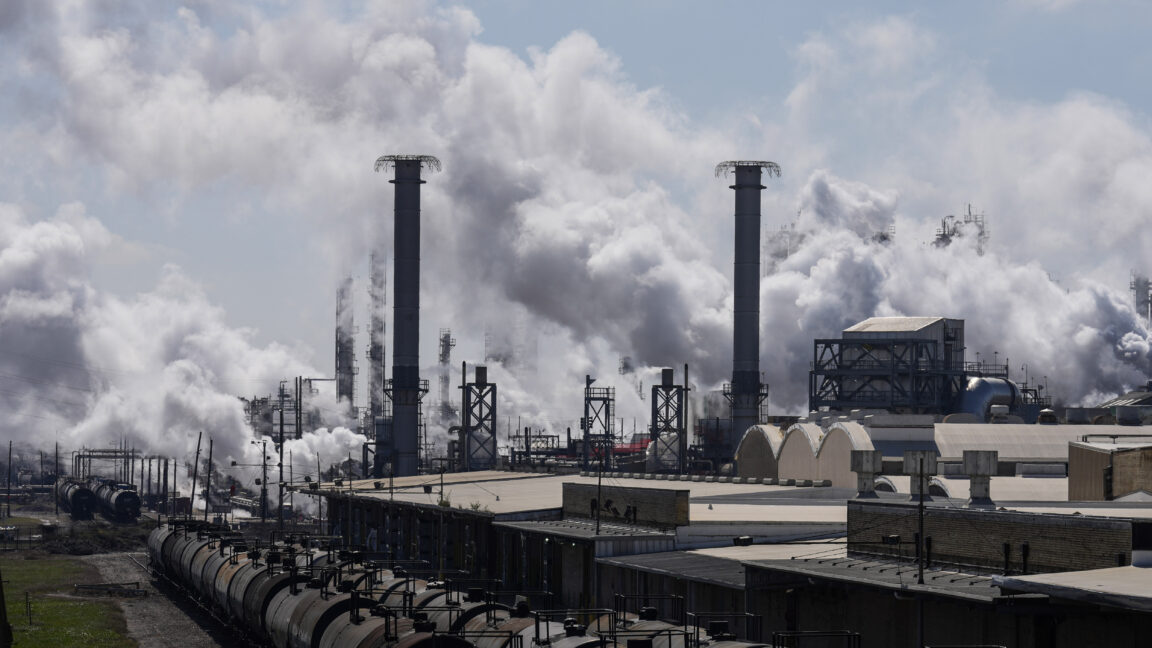
A new comprehensive report has revealed a dramatic decline in the enforcement of environmental laws by the Environmental Protection Agency (EPA) during the presidency of Donald Trump. The data, compiled by the non-profit organization Environmental Integrity Project (EIP), shows a significant reduction in inspections, lawsuits initiated, and penalties imposed on polluters compared to previous administrations, both Republican and Democratic. This retreat represents a fundamental shift in the agency's core mission, moving from a regulatory body to an entity that prioritizes 'cooperation' and 'flexibility' for industry.
The context of this collapse is framed by a philosophy of deregulation actively promoted by the Trump administration, which labeled environmental regulations as a burden on economic growth. Under the leadership of Administrator Andrew Wheeler, a former coal lobbyist, the EPA implemented a series of policy changes that limited the ability of its staff to enforce the law. This included the need for high-level approvals for certain enforcement actions, the reallocation of resources, and a focus on 'compliance assistance' rather than punitive action. The EIP report notes that between 2018 and 2019, the EPA conducted an average of 10,600 inspections per year, the lowest figure in at least two decades and 40% less than the annual average under the Obama administration.
Relevant data is compelling. New civil judicial cases initiated by the EPA fell to a record low of 100 in fiscal year 2020, less than half the average of the three previous administrations. Monetary penalties imposed on violators also plummeted. In 2018, the agency imposed approximately $69 million in civil fines, a figure that pales in comparison to the $1.2 billion collected in 2013. In the criminal realm, referrals to the Department of Justice's Environmental Crimes Division dropped to just 100 cases in 2019, the lowest number since the EPA began tracking these figures in the 1990s. This weakening of law enforcement affected a wide range of statutes, including the Clean Water Act, the Clean Air Act, and the Endangered Species Act.
Statements from stakeholders reflect the deep divide on this issue. 'These numbers are not an accident; they are the result of deliberate policies that stripped the agency of its ability to do its job,' said Eric Schaeffer, executive director of the Environmental Integrity Project and former director of civil enforcement at the EPA. On the other hand, an EPA spokesperson defended the administration's approach, arguing: 'The EPA under President Trump focused on achieving real environmental outcomes through cooperation, rather than pursuing punitive fines that often do not lead to tangible environmental improvement.' Industry groups, such as the U.S. Chamber of Commerce, have praised this approach, calling it 'more pragmatic and less adversarial.'
The impact of this collapse in law enforcement is multifaceted and potentially long-lasting. Environmentalists warn that it creates a 'culture of impunity' where companies can calculate that it is cheaper to risk an insignificant fine than to invest in costly pollution controls. This has direct consequences for public health, especially in low-income and minority communities that often host a disproportionate concentration of industrial facilities. Furthermore, institutional weakening, including the loss of experienced personnel and technical expertise, could make it difficult for a future administration to quickly rebuild the agency's enforcement capacity.
In conclusion, the Environmental Integrity Project report documents not only a statistical reduction in enforcement activities but a fundamental philosophical shift in the role of the federal government in protecting the environment. The Trump administration systematically transformed the EPA from an enforcement body into an industry partner that prioritizes the removal of 'regulatory obstacles.' While proponents of this model argue that it stimulates innovation and the economy, critics contend that it leaves communities and ecosystems vulnerable to unchecked pollution. The legacy of this period will be a central point of debate and a critical rebuilding task for the incoming administration of Joe Biden, who has promised to restore the agency's vigor and make environmental justice a cornerstone of his policy.