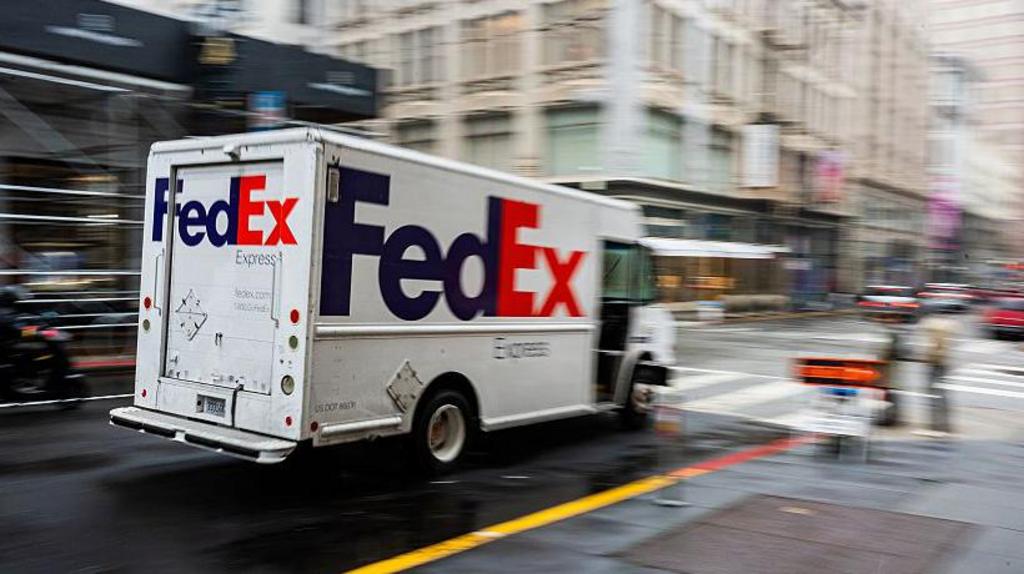
Global logistics giant FedEx has filed a lawsuit against the United States government, specifically targeting the Office of the United States Trade Representative (USTR), in an attempt to recover millions of dollars paid in tariffs imposed during former President Donald Trump's administration. The legal action, filed in the U.S. Court of International Trade, seeks a refund for duties applied to a wide range of products imported from China, arguing that the charges were collected unlawfully. This case represents one of the most significant legal challenges against the trade policies of the "Trade War" initiated in 2018 and could set a crucial precedent for other affected businesses.
The context of this lawsuit dates back to 2018, when the Trump administration, citing concerns over unfair trade practices and forced technology transfer, initiated a series of aggressive tariff measures against China under Section 301 of the Trade Act of 1974. These measures imposed additional tariffs, in some cases as high as 25%, on hundreds of billions of dollars worth of Chinese imports. FedEx, as one of the world's largest transportation and logistics companies, was directly impacted by having to pay these tariffs on goods it imported for its own operational use, as well as on shipments from its clients for whom it acted as the importer of record.
In court filings, FedEx alleges that the USTR exceeded its legal authority by imposing the List 3 and List 4A tariffs, which covered approximately $300 billion worth of products. The company argues that the agency failed to follow proper procedures, including strict legal deadlines for modifying the lists of products subject to tariffs after a public comment period. FedEx claims the tariffs were applied retroactively and arbitrarily, violating principles of administrative due process. "The tariffs were collected from FedEx without proper legal authority and in violation of established procedures," an excerpt from the lawsuit states.
While FedEx has not disclosed the exact amount it seeks to recover, industry analysts estimate the figure could reach tens of millions of dollars, considering the company's massive operational volume. The financial impact of the tariffs was partly absorbed by FedEx and partly passed on to its customers through special delivery and handling fees. The decision to take legal action reflects a more aggressive stance by corporations to challenge government policies they deem harmful to their operations, especially in an already strained supply chain environment.
The outcome of this case is of great importance to the international business community. If FedEx succeeds, it could open the floodgates to a wave of similar lawsuits from thousands of importers, retailers, and manufacturers who also paid these tariffs, potentially costing the federal government billions in refunds. Furthermore, it would set a legal precedent limiting the scope of the USTR's authority in future trade disputes. Conversely, a government victory would reinforce executive power to implement unilateral trade measures in the name of economic national security.
In conclusion, FedEx's lawsuit is more than a mere dispute over refunds; it is a fundamental challenge to the legality of one of the most transformative trade policies in recent decades. The case arrives at a time when the Biden administration has largely maintained the Trump-era tariffs, evaluating them as strategic "leverage" in relations with China. The verdict from the Court of International Trade will not only affect FedEx's balance sheet but will also shape the landscape of international trade and the balance of power between the government and the private sector for years to come.