The revelation in 2019 that then-U.S. President Donald Trump had expressed interest in purchasing Greenland from Denmark generated international surprise and skepticism. Beyond the geopolitical aspect, the news cast an unexpected spotlight on the vast natural resources of the world's largest island. Although the proposal was swiftly rejected by the Danish government and labeled 'absurd,' the underlying question remains: what mineral riches does Greenland actually possess that could spark such interest?
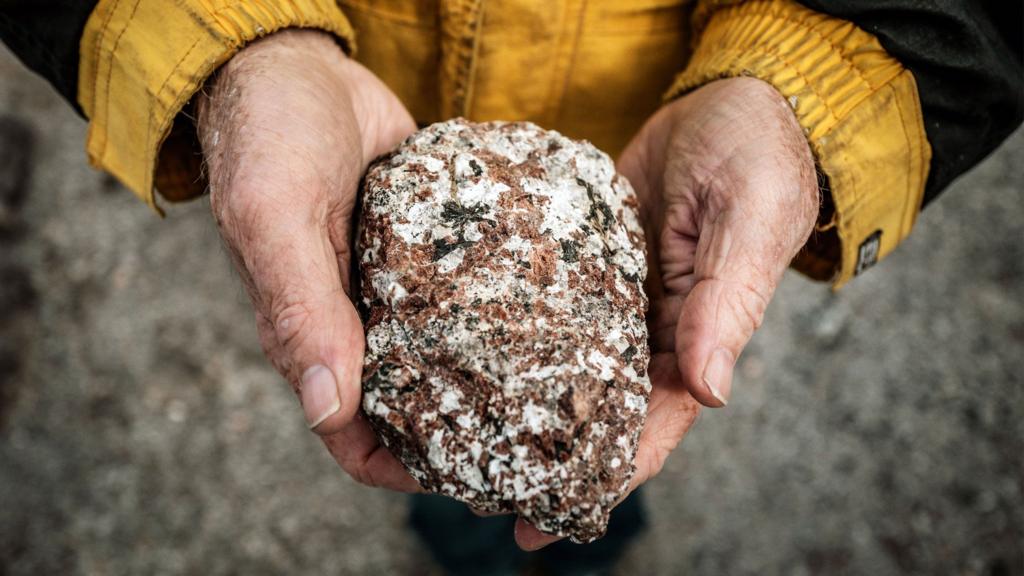
Greenland, an autonomous territory within the Kingdom of Denmark, is home to one of the planet's last mining frontiers. Its geology, largely unexplored due to the ice sheet covering 80% of its surface, is considered exceptionally rich. Geological studies conducted in ice-free areas, primarily in the south and west of the island, have identified significant deposits of minerals critical to the modern economy. The most prominent resource, and likely the one fueling the most strategic interest, is rare earth elements. Greenland is estimated to hold some of the largest deposits of rare earth elements outside of China, which currently dominates over 80% of global production. Projects like the one at Kvanefjeld, in the south, contain millions of tonnes of these elements essential for manufacturing permanent magnets in wind turbines, electric vehicles, smartphones, and high-tech military equipment.
In addition to rare earths, Greenland has significant resources of other valuable minerals. There are deposits of uranium, often found alongside rare earths. There are also known deposits of iron, nickel, cobalt, copper, zinc, lead, gold, platinum, diamonds, and rubies. Mining is not new to the island; cryolite extraction (used in aluminum production) was crucial in the 20th century, and currently, a ruby mine is in operation. However, the true potential remains untapped. The retreat of the ice sheet due to climate change, while an environmental tragedy, is revealing new areas with geological potential, making the territory more accessible for long-term exploration.
The geopolitical context is crucial. Western dependence on China for critical minerals is seen as a strategic risk. 'Controlling or having secure access to rare earth sources is a matter of national security for advanced economies,' explained a strategic resources analyst who preferred to remain anonymous. 'Greenland represents an opportunity to diversify the supply chain.' This interest is not exclusive to the United States. China has also shown active interest in investing in Greenlandic mining projects, adding a layer of competition for influence in the Arctic. Greenland itself seeks economic independence from Denmark, and mining revenue is seen by many local politicians as the path to self-sufficiency, although this desire clashes with environmental and lifestyle concerns from a portion of the population.
The impact of potential large-scale mining would be profound. On one hand, it could transform the island's economy, which currently relies on fishing and Danish subsidies. On the other, it poses enormous logistical, environmental, and social challenges. Mining in the Arctic is costly and complex, requires massive infrastructure in a hostile environment, and raises concerns about pollution and impact on fragile ecosystems and indigenous communities. The final decision on projects rests with Greenland's autonomous government, which must balance economic development with sustainability. The rejection in 2021 of a rare earth and uranium mining project following strong citizen protests shows the sensitivity of the issue.
In conclusion, the interest of figures like Donald Trump in Greenland, while politically controversial, is based on a tangible geological reality. The island is a treasure chest of critical minerals, especially rare earths, at a time when the energy transition and global technological rivalry have made them strategically vital. However, unlocking these riches is no simple task. It is subject to a delicate balance between the geopolitical ambitions of great powers, Greenland's economic aspirations, the harsh conditions of the Arctic, and the imperative need to protect the environment. Greenland's subsurface promises wealth, but it also contains complex dilemmas that will define the island's future and its role in the global resource landscape.