In a diplomatic move that reflects complex regional tensions, the Palestinian movement Hamas has formally urged its main sponsor, the Islamic Republic of Iran, to halt its military and sabotage actions against Arab Gulf states. This appeal, made through confidential diplomatic channels and confirmed by sources close to the negotiations, seeks to relieve pressure on countries such as Saudi Arabia, the United Arab Emirates, and Bahrain, which have been targeted by drone and missile attacks attributed to Tehran-backed militias. Hamas's request comes at a critical time, as Palestinian factions attempt to consolidate a unified front and gain international legitimacy following the latest conflict in Gaza.
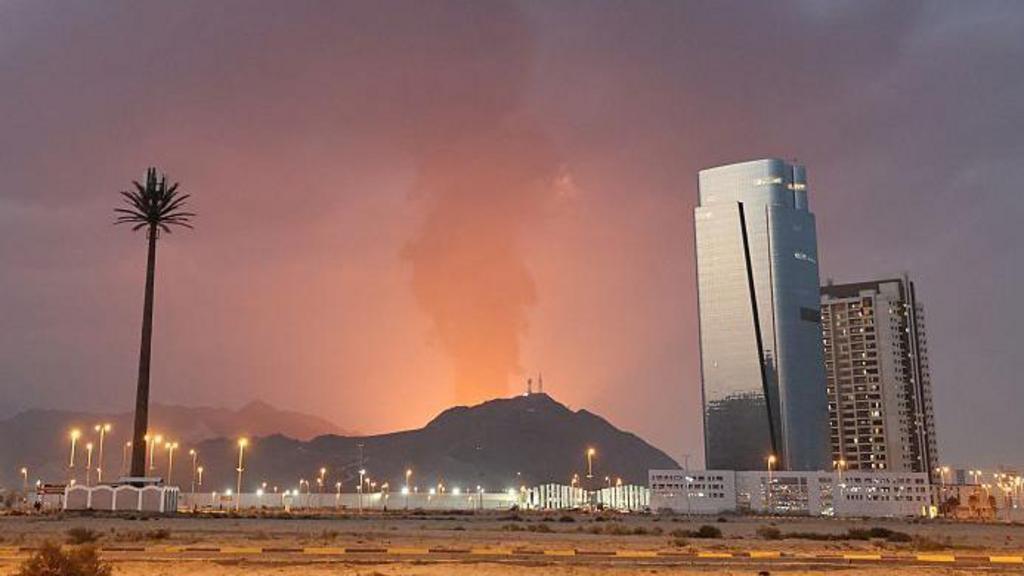
The context of this unusual request is multifaceted. On one hand, Hamas, which governs the Gaza Strip, relies heavily on Iran's financial, military, and political support to maintain its resistance against Israel. However, the organization also seeks to broaden its diplomatic support base among the Sunni monarchies of the Gulf, traditionally wary of Iranian influence. In recent years, countries such as the UAE and Bahrain have normalized relations with Israel through the Abraham Accords, a move viewed by Hamas and its allies as a betrayal of the Palestinian cause. Nevertheless, the escalation of Iranian attacks on critical infrastructure in the region, including oil refineries and airports, has created instability that hampers reconstruction efforts in Gaza and complicates humanitarian mediation.
Relevant regional intelligence data indicates that, in the last quarter alone, more than a dozen significant security incidents have been recorded in the Gulf linked to Iranian proxy militias, such as the Houthis in Yemen. These attacks not only threaten global energy security, given that the Strait of Hormuz—through which 20% of the world's oil passes—but have also led to an increased U.S. military presence in the area. For Hamas, whose political survival depends on a delicate balance, open confrontation between Iran and the Gulf states represents an existential risk. "Our struggle is against the Israeli occupation, not against our Arab brothers," stated a senior Hamas official who requested anonymity. "We urge all parties to prioritize Islamic unity and avoid actions that destabilize the region and divert attention from the Palestinian issue."
The impact of this stance could be significant. Political analysts suggest that Hamas is attempting to reposition itself as a national Palestinian actor with strategic autonomy, rather than a mere appendage of the resistance axis led by Iran. This tactical distancing could open doors for direct dialogue with Saudi Arabia, which has expressed conditional commitment to Palestinian reconciliation. However, the initiative's success is uncertain. Iran has invested considerably in its network of influence in the region and is unlikely to abandon its pressure strategy against Sunni rivals solely due to a request from Hamas. Moreover, more radical factions within the Palestinian movement, such as Palestinian Islamic Jihad, may oppose any gesture that weakens ties with Tehran.
In conclusion, Hamas's appeal to Iran to cease attacks in the Gulf underscores the shifting power dynamics in the Middle East. As alliances reconfigure under the shadow of nuclear negotiations and great-power competition, non-state actors like Hamas are forced to make complex calculations between ideological loyalty and pragmatic survival. The outcome of this quiet diplomacy will not only affect Gulf stability but could also redefine the future of Palestinian resistance and the regional balance in the coming years.