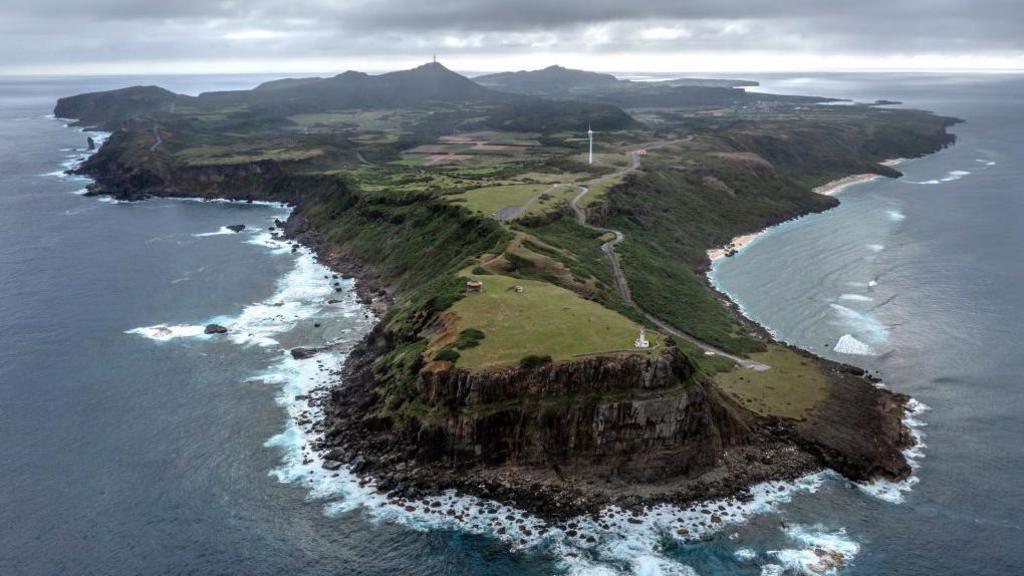
The Japanese government has confirmed strategic plans to deploy long-range missiles on Ishigaki Island, located just 300 kilometers from Taiwan, aiming for completion by 2031. This move, part of a comprehensive review of the national defense posture, represents a significant shift in Japan's security policy and a direct response to growing Chinese military pressure in the Indo-Pacific region. The decision falls under the new National Security Strategy adopted in late 2022, which identifies China as Japan's "greatest strategic challenge" and authorizes a historic increase in defense spending.
The geopolitical context is crucial. Ishigaki, part of Okinawa prefecture, lies in a sensitive geostrategic position, close to both Taiwan and the disputed Senkaku Islands (Diaoyu in Chinese), administered by Japan but claimed by China. The deployment involves the installation of Type 12 surface-to-ship missile systems, with an upgraded version expected to have a range of approximately 1,200 kilometers, capable of reaching targets on the Chinese mainland and key points in the East China Sea. This project is complemented by the establishment of a new permanent military unit on the island, strengthening the presence of Japan's Self-Defense Forces on its southwestern flank.
Officials from Japan's Ministry of Defense have stated that the primary objective is to deter any attempt to change the status quo by force, particularly concerning Taiwan. "Our defensive posture must evolve in light of the security realities in the region. The deployment on Ishigaki is a necessary defensive and deterrent measure to protect our sovereignty and contribute to regional stability," said a senior official on condition of anonymity. The plan has received domestic political support, though it has also raised concerns among some local residents about the potential militarization of their territory.
The regional impact is immediate and profound. International analysts interpret this move as a clear message to Beijing about Tokyo's determination to play a more active role in the collective defense of the region, closely aligning with U.S. strategy. The measure will likely intensify diplomatic tensions between Japan and China, which has already expressed its "firm opposition" to any deployment it perceives as a threat to its security. Furthermore, it alters the military balance of power in the Taiwan Strait, one of the world's most contentious flashpoints.
In conclusion, Japan's decision to deploy missiles on Ishigaki by 2031 marks a historic turning point in its post-war defense policy, transitioning from a purely defensive posture to one of denial deterrence. This deployment not only strengthens Japan's rapid response capabilities in a Taiwan contingency but also reinforces the U.S.-led security network in Asia. The success of this strategy will depend on clear communication of its defensive intentions to avoid unintended escalation, as the world watches the security landscape in the Indo-Pacific reconfigure amid growing great-power rivalry.