The Kenyan government has announced a direct diplomatic confrontation with Russia over what it describes as the "unacceptable" and illegal recruitment of Kenyan citizens to fight in the conflict in Ukraine. According to official statements from Kenya's Ministry of Foreign Affairs, Nairobi has cracked down on clandestine recruitment networks within its territory and is now demanding that Moscow sign a formal agreement explicitly prohibiting the conscription of its nationals. This move marks a significant escalation in tensions between the two countries and sheds light on a little-known dimension of the war: the participation of foreign mercenaries from African nations.
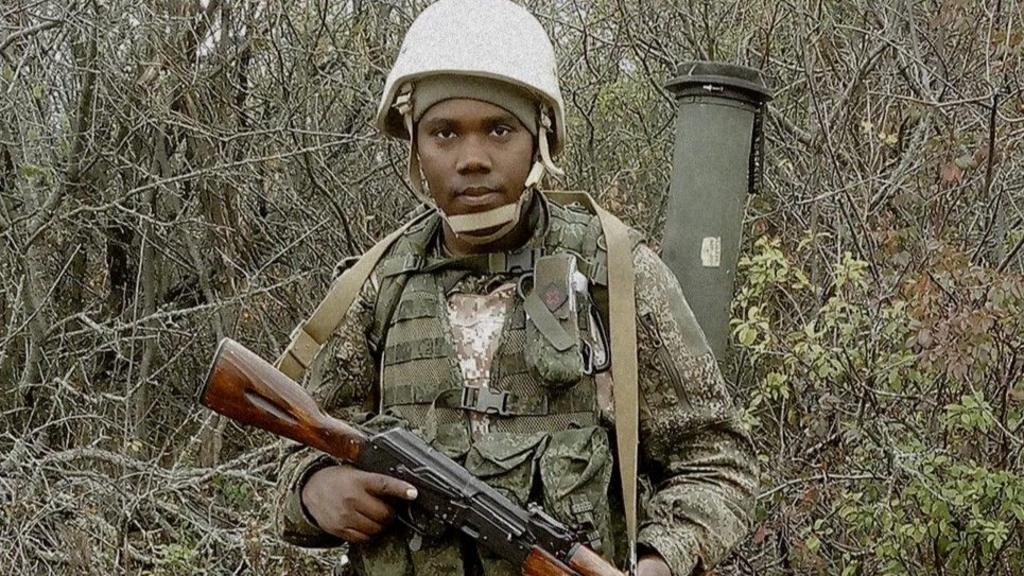
The context of this dispute dates back several months, when reports began to emerge of Kenyan citizens being deceived by job offers abroad, supposedly in sectors such as private security or logistics, only to end up in training camps and subsequently on the front lines in Ukraine. Kenyan authorities estimate that hundreds of their citizens may have fallen victim to this scheme, organized by illegal recruitment agencies operating with false promises of high salaries and safe working conditions. The Nairobi government has confirmed the shutdown of several of these agencies and the arrest of their operators, in an operation coordinated between the immigration service and the criminal police.
"The exploitation of Kenyan citizens in international conflicts is completely unacceptable and constitutes a serious violation of their dignity and human rights," declared Alfred Mutua, spokesperson for Kenya's Ministry of Foreign Affairs, at a press conference. "We have initiated formal diplomatic actions to demand that the Russian Federation cease this practice immediately and commit, through a bilateral instrument, not to recruit our nationals." Mutua added that Kenya will defend the principle that no citizen should be used as "cannon fodder" in a foreign conflict, and that his country will seek the support of other African states and international organizations such as the African Union and the United Nations.
This incident occurs at a time of complex relations between Russia and Africa. Moscow has sought to expand its influence on the continent in recent years, offering security agreements, grain supplies, and diplomatic support to various governments. However, cases like this could seriously damage its reputation among African populations. International relations experts note that recruiting combatants from developing countries for European conflicts revives deeply offensive colonial and neocolonial practices. Furthermore, it raises serious questions about compliance with international humanitarian law and conventions on mercenaries.
The impact of this crisis is multifaceted. For Kenyan families, it means the anguish of having loved ones trapped in a distant war, often with no possibility of communication or repatriation. For the Kenyan government, it represents a challenge to its sovereignty and its consular protection duty. Bilaterally, it threatens to freeze cooperation in areas such as trade and security. Globally, it exposes the tactics of proxy warfare and the outsourcing of human risk in contemporary conflicts. Kenya's demand for a formal agreement with Russia is an unprecedented step that could set a precedent for other countries whose citizens have been similarly recruited.
In conclusion, Kenya's decision to openly confront Russia marks a turning point in African diplomacy towards global powers. It demonstrates a willingness to defend the rights of its citizens beyond traditional geopolitical considerations. The outcome of this confrontation will not only affect the fate of Kenyans caught in the conflict but will also redefine the boundaries of state responsibility in the era of hybrid conflicts and mercenary warfare. The international community will watch closely whether Moscow agrees to negotiate or, conversely, ignores the demands of an African nation, with the diplomatic consequences that would entail.