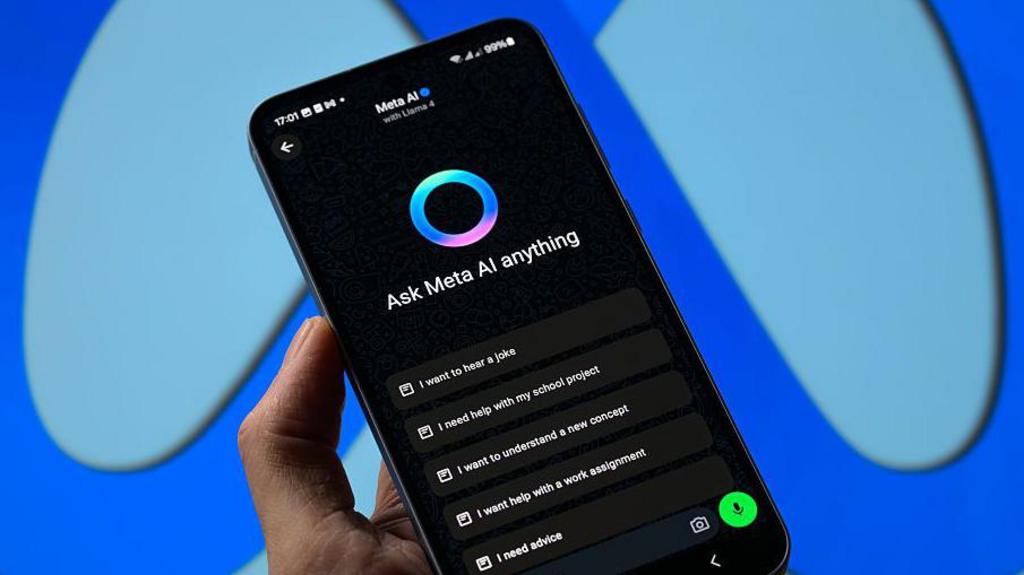
In a move that could redefine the social media business model, Meta Platforms, Inc., the parent company of Facebook, Instagram, and WhatsApp, has announced plans to trial premium subscription versions of its core services. According to internal sources and leaked documents, the company is exploring offering advanced features and an ad-free experience for a monthly fee, while keeping basic access to the platforms completely free for the vast majority of users. This strategy represents a significant pivot for a tech giant whose fortune has been built almost exclusively on targeted advertising revenue, and it comes at a time of mounting regulatory pressure on data privacy and the "free" in exchange for personal information business model.
The context for this decision is complex and multifaceted. On one hand, Meta faces an increasingly challenging advertising landscape. Privacy policy changes, such as Apple's App Tracking Transparency (ATT) update, have made it harder to track users across apps and websites, eroding the effectiveness and value of personalized ads. On the other, a wave of global regulations, like the General Data Protection Regulation (GDPR) in Europe and the potential Digital Markets Act (DMA), threatens to further limit how companies can monetize user data. Developing a recurring, direct-to-consumer revenue stream could provide Meta with a more stable and predictable financial cushion against these headwinds.
Although specific details of the premium features and final pricing are still being defined, it is speculated the package could include offerings such as advanced analytics tools for content creators, exclusive profile customization options, priority customer support, and the most requested feature by many: a completely ad-free experience. "We are constantly exploring ways to provide value to our community and support the creators who make our platforms their home," a Meta spokesperson stated in a generic communiqué. "Any testing of new models would be done as a complement to, not a replacement for, our free, ad-supported services used by the vast majority."
The potential impact of this move is vast. For users, it introduces for the first time the possibility of a direct pay-for-service relationship with Meta, which could better align the company's incentives with user satisfaction, in theory prioritizing experience over maximized engagement time for ad display. For creators and small businesses, premium tools could offer new avenues to monetize their audience and analyze their performance. However, there is also the risk of creating a two-tier digital divide, where the best functionalities are reserved for those who can pay, while the free experience is intentionally degraded or remains saturated with ads.
The industry will be watching these trials closely. If successful, they could trigger a domino effect, prompting other advertising-dependent social platforms, like TikTok or Snapchat, to consider similar hybrid models. This would mark a fundamental paradigm shift, moving away from the era of "if it's free, you're the product" towards a more diversified ecosystem where users have a clear choice: pay with money or with their attention and data. The conclusion is that Meta is not abandoning advertising—which will remain its primary revenue engine—but is shrewdly seeking to diversify its portfolio and future-proof its business in a rapidly evolving digital environment. The success of this trial will critically depend on whether the perceived value of the premium features justifies the cost for enough users, a delicate calculus in a market accustomed to free access.