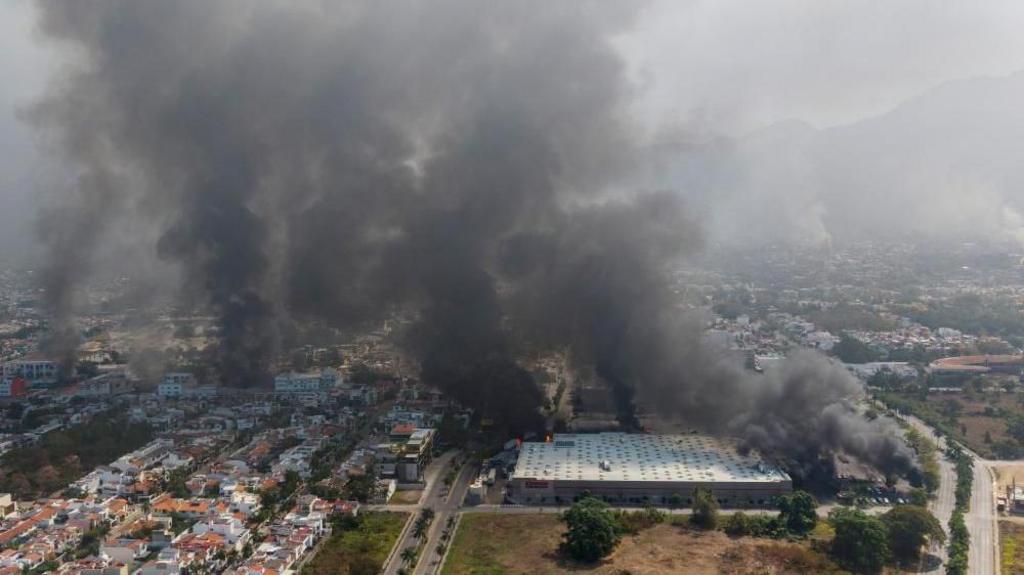
Mexican authorities have launched a nationwide manhunt to locate 23 inmates who escaped from a prison in the state of Sinaloa, amid a wave of violence that has exposed severe security flaws in the country's penitentiary system. The mass breakout occurred during a violent riot that left at least two guards injured and caused chaos within the facility, according to confirmations from the Secretariat of Security and Citizen Protection (SSPC). This incident adds to a series of similar events recorded in recent months, revealing a pattern of instability and control by criminal groups inside prisons.
The context of this escape cannot be separated from Mexico's security landscape, where prisons often function as extensions of cartel power. Sinaloa, the birthplace of the infamous Sinaloa Cartel, is a region particularly affected by violence linked to drug trafficking and organized crime. Prisons in this area have historically been the scene of clashes, escapes, and riots, many orchestrated from within by criminal leaders who maintain control over illicit activities even behind bars. Data from the National Public Security System indicates that, in the past year alone, more than 15 serious incidents have been recorded in federal and state penitentiary centers, including escapes, fights, and uprisings.
Among the escapees are individuals convicted of serious crimes such as murder, kidnapping, and drug trafficking, raising the alert level for security forces. "We are coordinating with state and federal prosecutors, as well as with the National Guard, to recapture these individuals as soon as possible. The priority is to prevent them from committing further crimes and ensure public safety," declared SSPC head Rosa Icela Rodríguez during a press conference. Additionally, an internal investigation has been initiated to determine possible complicity by prison guards, a practice that experts say is common in escapes of this magnitude.
The impact of this escape goes beyond the immediate. On one hand, it weakens public trust in justice and security institutions, as it highlights the vulnerability of the penitentiary system. On the other, it poses a tangible risk to public safety, given the criminal profiles of the escapees. Civil society organizations like México Evalúa have repeatedly warned about overcrowding, corruption, and the lack of rehabilitation programs in Mexican prisons, factors that contribute to such crises. "These escapes are not isolated incidents; they are a symptom of a collapsed prison system that requires urgent structural reform," stated María Elena Morera, president of Causa en Común.
Operationally, the search includes highway checkpoints, inspections at strategic locations, and the deployment of specialized units. However, the task is complicated by Sinaloa's geography, with mountainous and rural areas that facilitate hiding. Authorities have offered rewards for information leading to the capture of the fugitives, though they have not specified the amounts. Meanwhile, families of the inmates' victims have expressed fear and frustration, demanding strong responses from the government.
In conclusion, the mass escape in Sinaloa is a stark reminder of the challenges Mexico faces regarding prison security. Beyond recapturing the 23 inmates, the episode demands a deep review of surveillance protocols, investment in prison infrastructure, and the fight against corruption within these centers. Without substantial changes, the cycle of violence and escapes will likely repeat, undermining efforts to build a strong rule of law in the country. Attention is now focused on the effectiveness of the manhunt and the measures authorities will take to prevent future incidents.