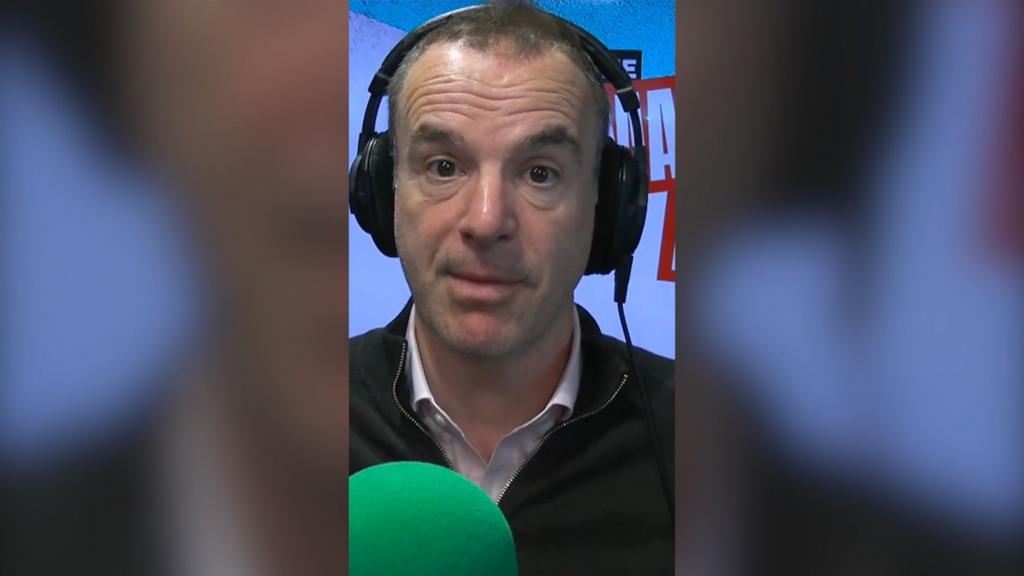
In a context of high interest rates and inflationary pressures, one of the most common financial decisions facing homeowners is whether to allocate extra funds to overpay their mortgage or, conversely, to prioritize saving and investing. Martin Lewis, the renowned personal finance expert and founder of MoneySavingExpert.com, has analyzed this dilemma in depth, offering a clear framework for making the best decision based on individual circumstances. His advice is not a simple 'yes' or 'no', but a guide based on mathematics, psychology, and long-term planning.
The core of Lewis's analysis focuses on comparing the interest rate on the mortgage with the interest rate that can be earned on savings or investments. In purely mathematical terms, if your mortgage interest rate is higher than the rate of return you can safely achieve on your savings, then it makes financial sense to use the extra money to overpay the mortgage. This is because you are 'earning' a return equivalent to the mortgage interest rate, which you no longer have to pay. For example, if your mortgage is at 6% interest, making an overpayment is like getting a guaranteed 6% return after tax, something very difficult to match in the current savings market with total security.
However, Lewis emphasizes that liquidity is a crucial factor that should not be underestimated. Overpaying the mortgage reduces debt, but also 'locks' that money into the property's equity, which is not easily accessible in case of an emergency. Therefore, his fundamental recommendation is to first build a solid emergency fund, typically equivalent to three to six months of essential expenses, deposited in an easy-access savings account. Only once this safety net is secured should overpaying the mortgage be considered. 'The peace of mind that having cash available for emergencies provides is invaluable and can prevent you from going into expensive consumer debt if a crisis hits,' Lewis states.
Another key aspect highlighted by the expert is the nature of the mortgage. For those on a fixed-rate mortgage, it is important to check if the lender allows overpayments without penalties and, if so, what the annual limits are. Exceeding these limits can incur charges, negating the benefit. For variable or tracker rate mortgages, there is usually more flexibility. Furthermore, Lewis advises considering the remaining mortgage term. An overpayment made early in the term has an exponentially greater impact on reducing the total interest paid over the life of the loan, compared to a payment made in the later years.
The tax situation also plays a role. In some countries, mortgage interest may qualify for tax relief, effectively reducing the real cost of the loan. On the other hand, savings and investment accounts may be subject to tax on gains. An accurate calculation must take these after-tax factors into account. Martin Lewis also addresses the psychological component: for many people, the idea of being mortgage-free is a powerful emotional goal that transcends pure financial optimization. Achieving that freedom early can provide an enormous sense of security and accomplishment, which is a legitimate benefit to be weighed.
In the current economic environment, with savings rates in some cases approaching or exceeding the mortgage rates of those who locked in deals in years of low rates, the equation can change. Lewis recommends using comparison calculators available on his website and other resources to run the specific numbers for each case. In conclusion, Martin Lewis's guide offers a rational path: first secure your liquidity, then compare the after-tax interest rates, and finally decide based on a combination of cold math and your own goals and emotional well-being. The right decision is deeply personal, but with this framework, homeowners can make an informed and secure choice for their financial future.