The American retail giant Target is at the center of a political and labor storm in Minnesota, where its employees are organizing protests, writing denunciation letters, and, in some cases, resigning from their jobs. The cause is the perception that company management is actively or passively collaborating with immigration raids conducted by U.S. Immigration and Customs Enforcement (ICE) in the state. This situation has sparked a broad debate about corporate responsibility, workers' rights, and the current political climate in the United States regarding immigration.
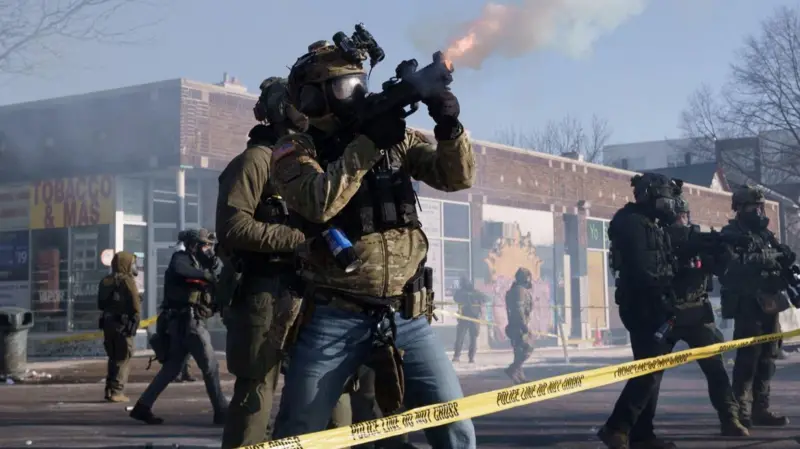
The context of these protests dates back to a series of ICE operations in the Minneapolis-Saint Paul metropolitan area, where Target is headquartered and has a significant operational presence. According to accounts from employees and community organizations, ICE agents have been seen conducting interrogations and checks in parking lots and areas near some Target stores. The workers, many of whom are immigrants or from diverse communities, say they feel intimidated and betrayed, alleging that the company has not taken sufficient measures to protect them or to publicly condemn these actions. "We see agents lurking, asking for papers. It's terrifying to come to work," stated an employee who chose to remain anonymous for fear of retaliation.
The employees' response has been swift and organized. Worker coalitions, often with the support of unions and immigrant rights advocacy groups such as Mijente and the Retail Workers Union, have drafted open letters addressed to Target CEO Brian Cornell. In these letters, they demand that the company issue a public statement rejecting ICE's tactics, establish clear protocols to protect employees and customers during raids, and cease any voluntary cooperation with immigration authorities, such as providing access to security camera footage without a court order. Furthermore, symbolic work stoppages have been recorded at several stores, where employees have briefly left their posts as a gesture of protest. At least a dozen resignations have been reported by local media, attributed directly to the distress and disillusionment with the company's stance.
Target, for its part, has issued statements claiming it complies with all federal, state, and local laws but avoids commenting specifically on its interaction with ICE. A spokesperson stated: "We value all of our team members and are committed to a safe and inclusive work environment. We cooperate with authorities when required by law." This ambiguity is precisely what has infuriated critics, who argue that in the current political climate, corporations have a moral obligation to protect their vulnerable employees and to take a clear stance against policies that instill fear in communities. Minnesota, with a long history of labor activism and a significant immigrant population, has become a symbolic battleground for this conflict.
The impact of this controversy extends beyond the workplace. Analysts note that Target, a brand that has heavily invested in a progressive, family-friendly image, could suffer significant reputational damage, especially among young consumers and in urban areas. Boycott movements are beginning to circulate on social media under hashtags like #BoycottTarget. Moreover, the situation highlights the difficult position in which many large U.S. companies find themselves, caught between the pressure to enforce federal law and the ethical demands of their employees and customers. The case could also influence state legislative debate, where there are already bills seeking to limit cooperation between local and federal authorities on immigration matters.
In conclusion, Target's crisis in Minnesota is a microcosm of national tensions over immigration, corporate power, and labor rights. While employees risk their jobs to defend their dignity and safety, the company faces a crucial test of its stated values. The outcome of this conflict will not only define the work environment within the retail giant but will also send a powerful message to other corporations about the cost of remaining silent or collaborating with immigration policies considered by many to be draconian. Pressure on Target's leadership to take a clear and protective stance continues to mount, and its next decisions will be scrutinized closely by shareholders, employees, and society at large.