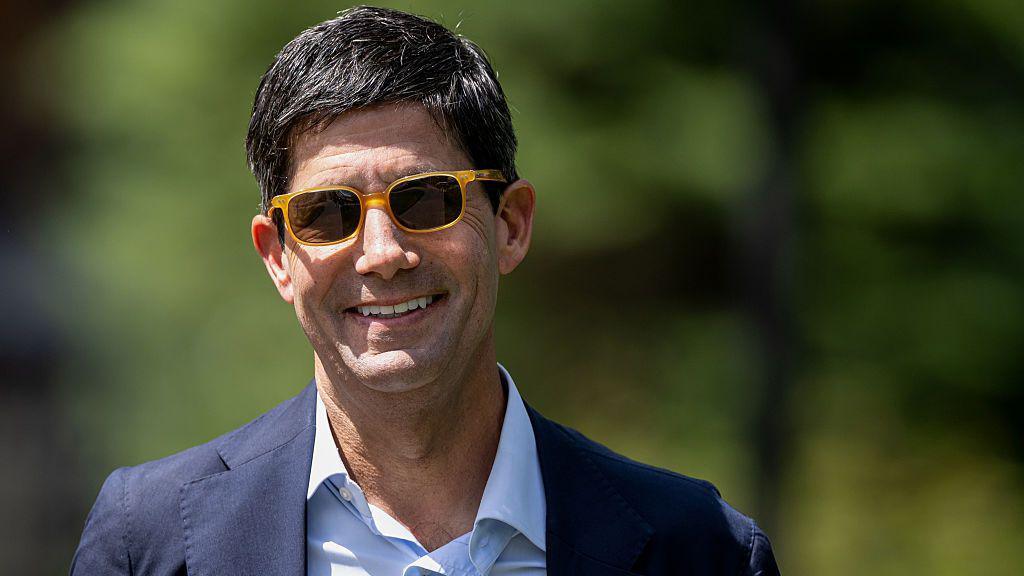
The selection of the next Chair of the Federal Reserve has become one of the most crucial and contentious appointments of the Trump administration. President Donald Trump has publicly expressed his dissatisfaction with current monetary policy, repeatedly criticizing the interest rate hikes implemented by the Fed under Jerome Powell's leadership. Now, with the possibility of appointing a new leader, the question dominating financial and political circles is whether his preferred candidate, Kevin Warsh, a former member of the Federal Reserve Board of Governors, will align his decisions with the president's vision or uphold the central bank's traditional independence.
Kevin Warsh, who served on the Federal Reserve Board of Governors from 2006 to 2011 during the global financial crisis, is seen as a figure with deep understanding of the institution's inner workings. However, his political stance and views on banking regulation and monetary policy have sparked intense debate. On one hand, Warsh's supporters argue that his crisis-era experience makes him the ideal candidate to navigate current economic complexities, including rising inflation and volatile markets. On the other hand, critics fear that his closeness to Wall Street interests and his history of supporting deregulatory policies could tilt the balance toward decisions prioritizing short-term growth over long-term financial stability.
The context of this appointment cannot be overstated. The Federal Reserve has maintained for decades a reputation for political independence, considered essential for making monetary policy decisions based on economic data rather than electoral cycle pressures. Trump, however, has broken with this convention by openly expressing his preference for low interest rates, arguing they stimulate the economy and benefit the stock market. This stance has created friction with the Fed's current leadership, leading to speculation about whether new leadership might bend to the president's wishes. Economic analysts warn that any perception that the Fed is losing its independence could trigger turbulence in global markets and erode the credibility of the dollar as the world's reserve currency.
Relevant data shows that historically, Fed chairs who have yielded to political pressures have faced severe consequences. For instance, during the 1970s, accommodative policies contributed to periods of high inflation that took years to correct. In contrast, periods of firm independence, such as Paul Volcker's tenure in the 1980s, succeeded in taming inflation at the cost of painful but necessary recessions. Warsh, in past statements, has praised Volcker's approach, suggesting he values Fed independence. Nevertheless, he has also criticized post-crisis stimulus measures, aligning partially with Trump's rhetoric about the need to normalize monetary policy more quickly.
The potential impact of this appointment is monumental. If Warsh is confirmed and perceived as following White House orders, investors might begin to distrust the Fed's ability to effectively combat inflation. This could lead to increased long-term bond yields, greater stock market volatility, and upward pressure on gold prices as a safe haven. Conversely, if Warsh demonstrates independence and continues monetary normalization, he could face public wrath from Trump, creating an unprecedented institutional crisis. International economists are already monitoring the situation closely, aware that Fed decisions have repercussions on emerging economies and global financial stability.
In conclusion, the selection of Kevin Warsh as the next Federal Reserve Chair represents a critical crossroads for the U.S. and global economy. While his experience is undeniable, the true test will be his ability to balance the political demands of the Trump administration with the need to maintain the integrity and independence of the most powerful institution in the global financial system. The world will watch closely whether Trump finally gets the change he wants, or whether the Fed's tradition of autonomy prevails once again.