In a historic moment marking the first time a former U.S. president has faced criminal charges, Donald Trump pleaded not guilty on Tuesday to 34 counts of falsifying business records in the first degree, a felony in the state of New York. The arraignment, which lasted approximately one hour, took place in a packed Manhattan courtroom under tight security, setting in motion an unprecedented legal process that promises to dominate the national political landscape for months to come.
Manhattan District Attorney Alvin Bragg unveiled an indictment alleging that Trump orchestrated a scheme to conceal payments made during his 2016 campaign, specifically to adult film actress Stormy Daniels and former Playboy model Karen McDougal, in order to silence their claims about alleged extramarital affairs. The prosecution contends these payments, funneled through his then-personal lawyer Michael Cohen, constituted unreported campaign contributions and that the subsequent falsification of business records within the Trump Organization was a deliberate attempt to cover up a violation of New York election law. Each count carries a maximum sentence of four years in prison, though legal experts note it is unlikely a first-time offender with no criminal record would receive the maximum penalty.
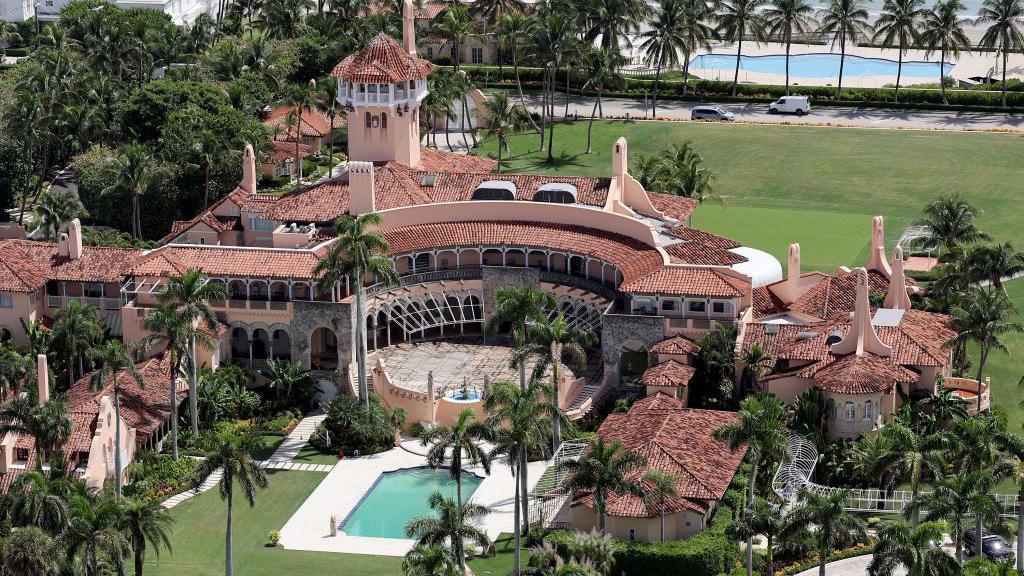
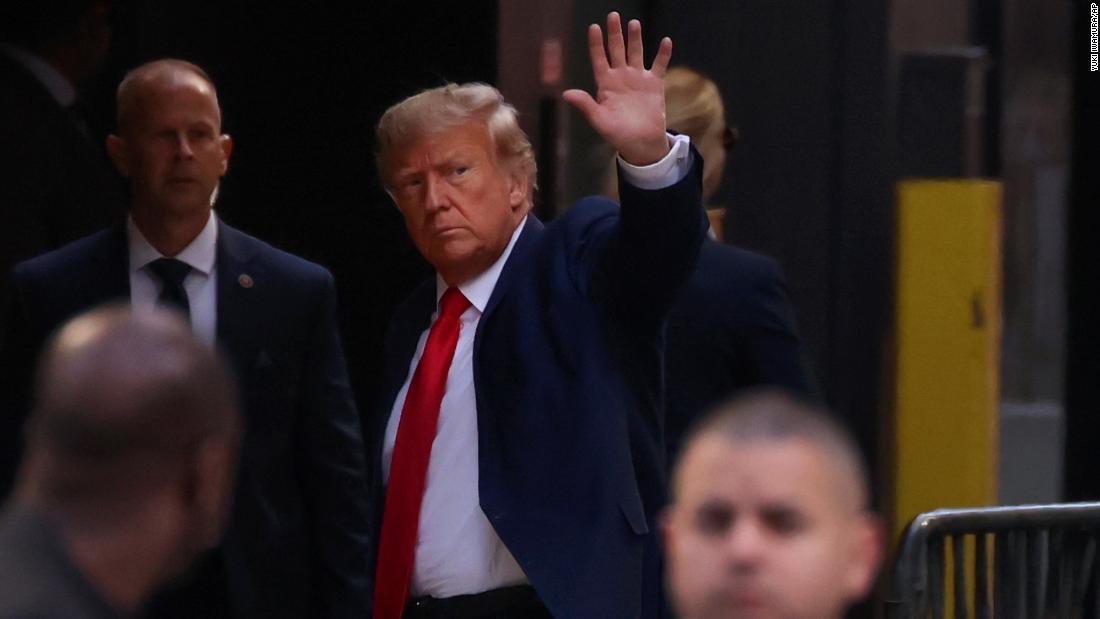
The reading of the charges was a solemn proceeding. Trump, dressed in a dark blue suit and red tie, remained mostly stern and quiet, responding "not guilty" when asked for his plea. His legal team, led by attorneys Todd Blanche and Susan Necheles, has already begun mounting an aggressive defense, labeling the case a political "witch hunt" and a "persecution" orchestrated by a Democratic prosecutor. Outside the courthouse, and later at Mar-a-Lago, Trump delivered an indignant evening speech, attacking DA Bragg, Judge Juan Merchan, and President Joe Biden, whom he accused of being behind the investigation. "This is election interference and political persecution at a level never seen before in our country," Trump asserted before a crowd of supporters.
The impact of this case extends far beyond the courtroom. It has instantly become the center of gravity in American politics, merging the legal and electoral systems in an unprecedented manner. Trump, who has already launched his campaign for the 2024 presidential election, is using the indictment to galvanize his base and fundraise, sending out countless donation solicitation emails citing his "arrest." Republicans in Congress, including House Speaker Kevin McCarthy, have vehemently condemned the prosecution, promising investigations into the Manhattan DA's office. On the other hand, Democrats argue that no one is above the law and that the judicial process must run its course without political interference.
Judge Juan Merchan, presiding over the case, set the next court date for December 4, 2023. The path to a potential trial will be long and complex, with Trump's defense team poised to file multiple motions to dismiss the case, arguing procedural delays, selective prosecution, and legal flaws in the prosecution's theory. Analysts predict a trial is unlikely to begin before late 2024, meaning the legal proceedings could unfold amid the presidential primary campaign season. This case sets a monumental precedent, testing the resilience of American institutions and raising profound questions about accountability, power, and the intersection of law and politics. The nation watches, divided, as this extraordinary chapter of its history unfolds.