In a historic moment marking the first time a former U.S. president has faced criminal charges, Donald J. Trump appeared in a Manhattan courtroom and formally pleaded not guilty to the 34 counts of falsifying business records in the first degree brought by the New York County District Attorney's Office. The hearing, held in Room 1530 of the New York State Supreme Court, was the culmination of a years-long investigation that has deeply polarized the nation and raised fundamental questions about accountability, the law, and the political future of the Republican leader.
Manhattan District Attorney Alvin Bragg unveiled an indictment alleging that Trump, in an effort to conceal damaging information during the 2016 presidential campaign, orchestrated a scheme of hush-money payments, including one to adult film actress Stormy Daniels. The charges, all classified as Class E felonies—the lowest level of felony in New York—center on how Trump and his organization allegedly recorded the reimbursements to his then-lawyer, Michael Cohen, for the $130,000 payment to Daniels. The prosecution argues these entries, falsely labeled as payments for legal services, constitute an intentional falsification of business records with the intent to commit another crime, in this case, violations of federal and state election laws.
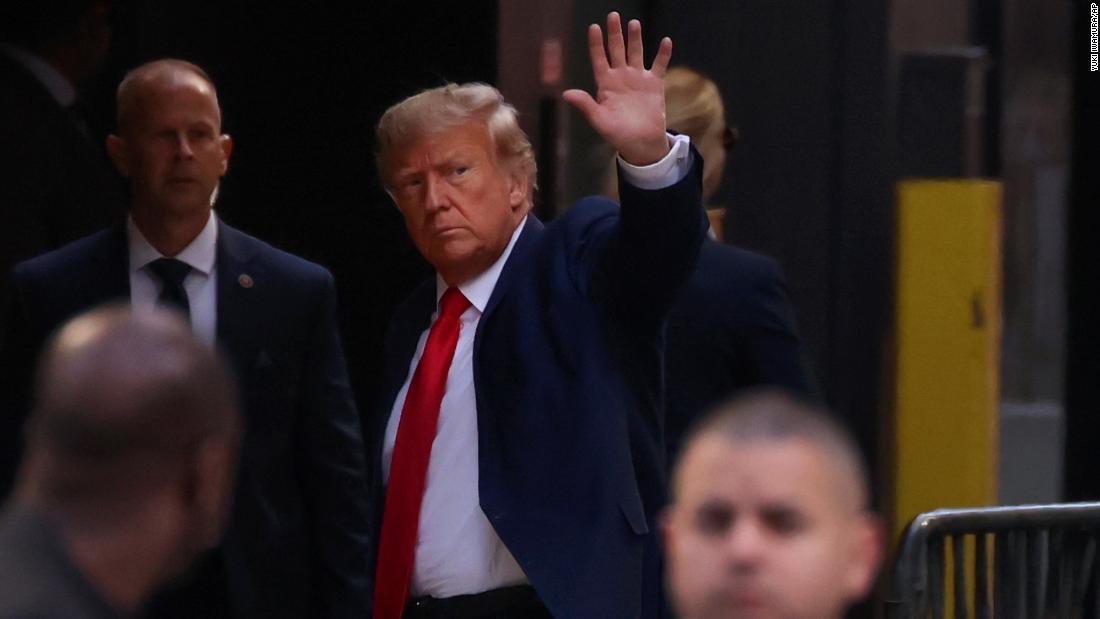
The context of this case dates back to the final days of the 2016 campaign, when the threat of Daniels going public with her claims of an affair with Trump allegedly posed an existential risk to his candidacy. The investigation, initially launched by federal authorities who eventually prosecuted Cohen, was taken up by the Manhattan DA's office under Bragg, who took office in 2022. The legal process has been meticulous, involving the presentation of evidence to a grand jury that deliberated for weeks before voting to indict. Trump's arraignment was brief but laden with significance. Dressed in a dark blue suit and red tie, he sat with his lawyers as Judge Juan Merchan presided over the hearing. When asked for his plea, Trump responded with a clear "not guilty." His attorneys, Todd Blanche and Susan Necheles, have labeled the indictment an "unprecedented political attack" and vowed a vigorous defense.
The impact of this case extends far beyond the courtroom. Immediately, it sets up a complex legal calendar for Trump, who also faces federal and state investigations into his handling of classified documents and his efforts to overturn the 2020 election. Politically, the indictment has galvanized both his critics and his supporters. Democrats view the prosecution as a validation of the principle that no one is above the law, while many Republicans, including Trump's top rivals for the 2024 presidential nomination, have condemned the indictment as a politically motivated witch hunt. Early polling suggests the Republican base has rallied around Trump, potentially strengthening his position in the primaries. However, the long-term outlook is uncertain, as a criminal trial could coincide with the height of the campaign season.
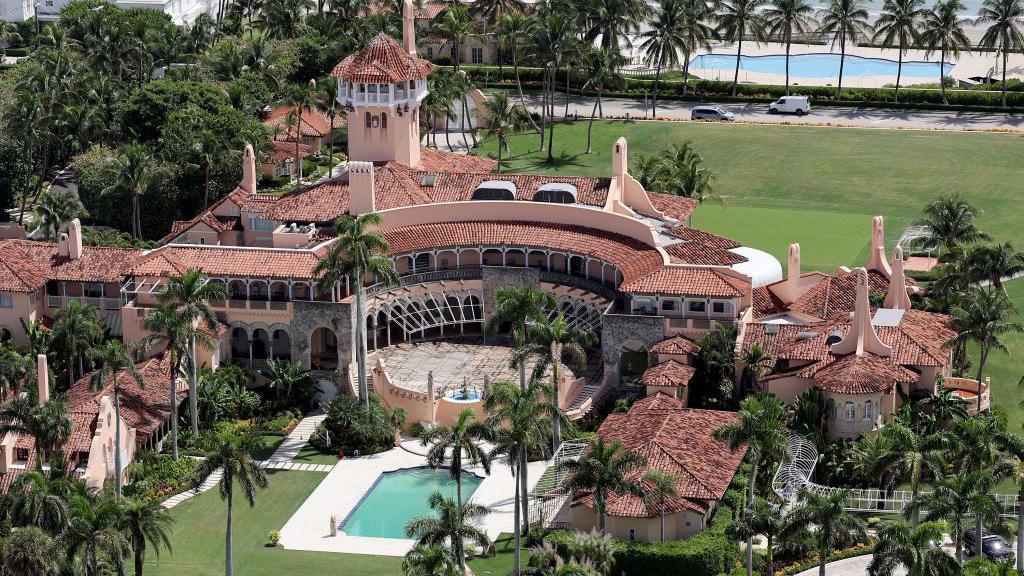
The conclusion of this first court appearance is only the beginning of a long and arduous legal process. Judge Merchan has scheduled the next hearing for December 4, 2023, and legal teams are now preparing for what will likely be a protracted battle over evidence and procedural motions. Trump's defense will almost certainly seek to have the charges dismissed, arguing undue delays or flaws in the prosecution's legal theory. Meanwhile, the former president has returned to his Mar-a-Lago estate, where he delivered a prime-time speech to his supporters, reiterating his innocence and attacking DA Bragg and the justice system. This case will not only test the resilience of American legal institutions but also redefine the boundaries of presidential accountability and mark an unprecedented chapter in the nation's political history, regardless of the final verdict.