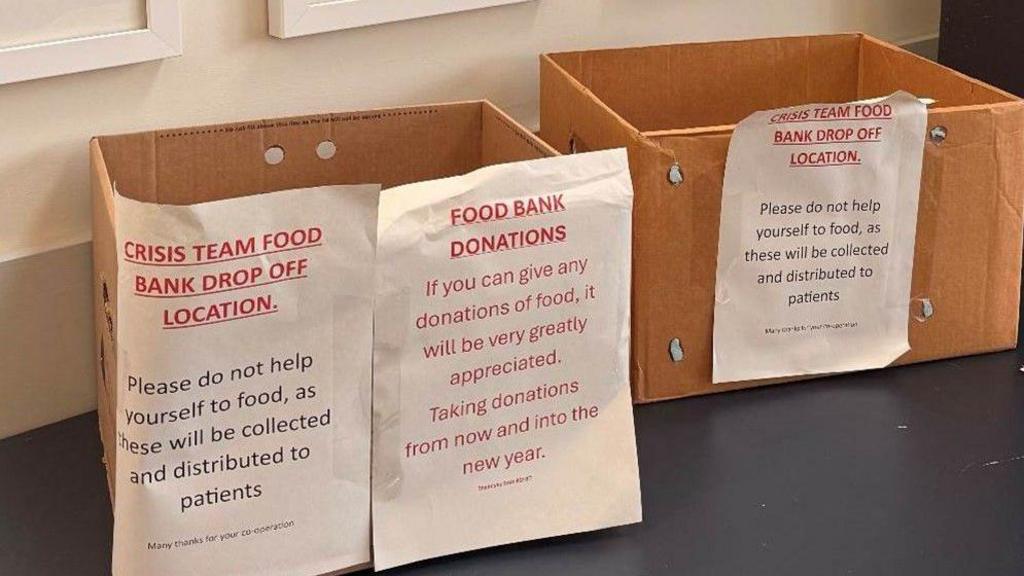
In the city of Wolverhampton, in the heart of England's Midlands, a silent crisis is intensifying as the community's most vulnerable people face critical delays in accessing food banks. A mental health support team, recognizing the desperate situation, has established an emergency pantry to help those living in food poverty. This initiative comes at a time when traditional safety nets are under unprecedented strain, with long queues and waiting times leaving many families in a state of acute food insecurity. The landscape reflects a broader reality across the United Kingdom, where the cost of living, inflation in staple goods, and cuts to social benefits have created a perfect storm for rising poverty.
The context for this intervention is alarming. According to recent data from charities like the Trussell Trust, demand for emergency food parcels in the UK has reached record levels, with an increase of over 30% year-on-year in many regions. In Wolverhampton specifically, local statistics show that one in five people lives below the poverty line, a rate significantly higher than the national average. The mental health team, which works directly with people suffering from conditions such as depression, anxiety, and psychotic disorders, identified that food insecurity was severely exacerbating their conditions, leading to mental health crises and increasing preventable hospitalizations.
The pantry, dubbed 'The Wellbeing Pantry', operates from a community centre in the Whitmore Reans district. It not only distributes non-perishable food but also offers fresh produce, personal hygiene items, and, crucially, a point of contact for mental health support. "We saw our service users choosing between eating and paying for heating, or between buying medication and feeding their children. The constant stress is a huge trigger for relapse in mental health issues," stated Sarah Jennings, the project coordinator. "This pantry is a lifeline, but our stocks are depleting rapidly. Delays in supplies from main food banks, due to overloaded demand and issues in the donation chain, are pushing us to the brink."
The impact of these delays is multidimensional. For vulnerable individuals, especially those with mental health conditions, the predictability and reliability of support are key therapeutic components. Uncertainty about when the next meal will arrive can deepen anxiety, paranoia, and despair. Furthermore, social workers report an increase in visits to crisis services and emergency rooms, directly linking food insecurity to deteriorating public health. The situation also places pressure on volunteers and charity staff, who operate with limited resources and face moral distress at being unable to meet the need.
Structurally, this crisis exposes the fragility of relying on civil society to address extreme poverty. Social policy experts argue that while pantries and food banks are a compassionate and necessary response to an immediate emergency, they are not a sustainable solution. They call for more robust government intervention, including updating social benefit levels to align with real inflation and investing in job creation programs in the most deprived areas. Meanwhile, the call for donations in Wolverhampton is urgent. Basic foods such as pasta, rice, canned legumes, UHT milk, and hygiene products are desperately needed.
In conclusion, the mental health team's initiative in Wolverhampton is a poignant testament to community resilience and a stark warning about the state of the social safety net. The intersection between food poverty and mental health is a critical area of concern that requires a coordinated and compassionate response at both local and national levels. As long as food bank delays persist, the safety and wellbeing of thousands of vulnerable people will remain at stake. The community must now rally to support this vital effort, remembering that food security is not a luxury, but a fundamental human right and an essential pillar for mental health recovery.