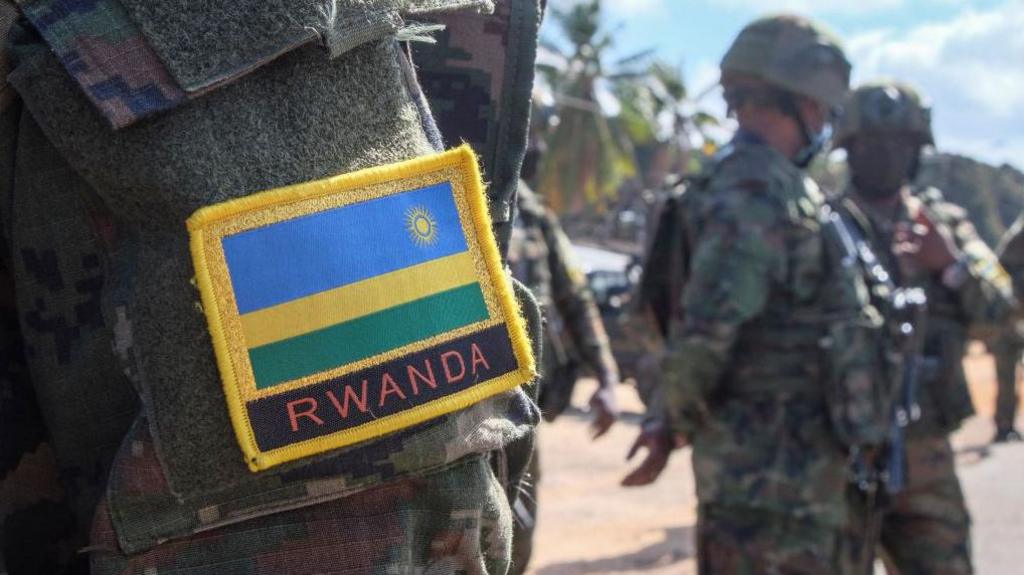
In a move that marks a turning point in US foreign policy towards Africa's Great Lakes region, the US Treasury Department imposed economic and travel sanctions against Rwanda's military and two of its top commanders. The sanctions, announced on Thursday, respond to the alleged direct involvement of Rwandan forces in the conflict in eastern Democratic Republic of the Congo (DRC), where the M23 rebel group and the Congolese army, backed by forces from the Southern African Development Community (SADC), are clashing. The designations specifically target the Chief of Staff of the Rwanda Defence Force (RDF), Lieutenant General Mubarakh Muganga, and the Commander of the Special Operations Division, Major General Vincent Nyakarundi. Furthermore, the military institution itself, the RDF, was added to the sanctions list.
The conflict in eastern DRC is one of the world's most protracted and complex humanitarian crises, with roots tracing back to the 1994 Rwandan genocide and subsequent regional wars. The mineral-rich North Kivu region, abundant in coltan, tin, and gold, has been the scene of intermittent violence for decades, with numerous armed groups, some of which have historically received support from neighboring countries. The M23 group, which claims to defend the interests of the Congolese Tutsi minority, re-emerged in late 2021 after years of dormancy. Kinshasa, along with the United Nations and several Western governments, accuses Rwanda of providing military, logistical, and financial support to M23, an accusation Kigali categorically denies, arguing it acts to protect its border security against hostile Congolese armed groups.
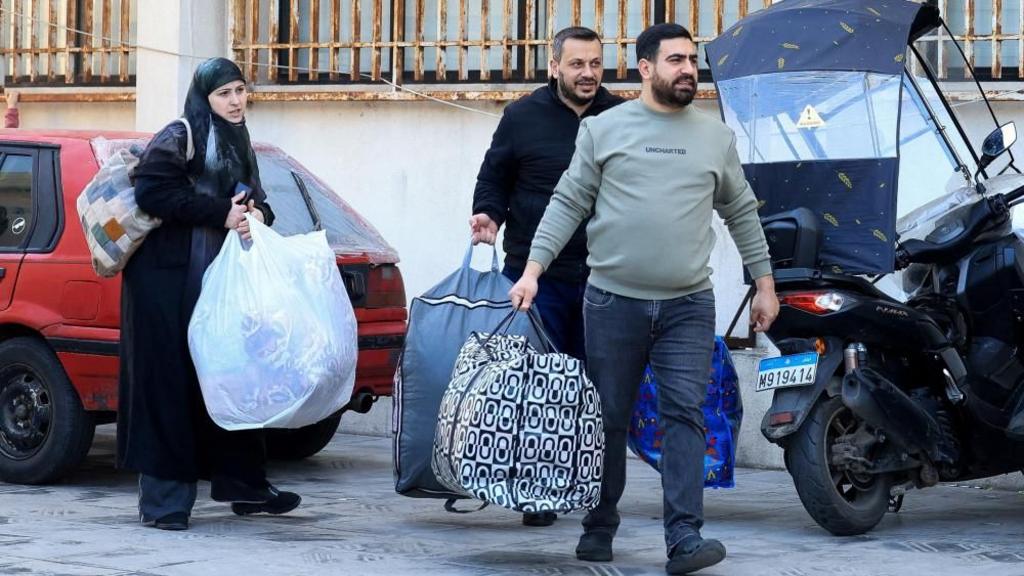
The announcement of US sanctions comes at a time of peak diplomatic and military tension. In recent months, fighting has intensified around the strategic city of Goma, the capital of North Kivu, displacing hundreds of thousands of civilians and exacerbating an already critical humanitarian crisis. Data from the UN Office for the Coordination of Humanitarian Affairs (OCHA) indicates the conflict has displaced over 6.9 million people within Congo, the highest number of internally displaced persons in any country worldwide. Washington's move follows a UN experts report published earlier this year, which presented 'solid evidence' of Rwandan troops on Congolese soil and their direct support for M23 offensives.
A senior State Department official, speaking on condition of anonymity, stated that 'Rwanda's actions are exacerbating the conflict, endangering civilians, and undermining regional peace efforts.' For its part, the Rwandan government has called the sanctions 'unfair and counterproductive.' In an official statement, Rwanda's Ministry of Foreign Affairs declared: 'These sanctions based on unfounded allegations penalize an institution that is crucial for the stability of Rwanda and the region. The United States is ignoring the real threat posed by armed groups like the FDLR, which operate from Congo and have a genocidal history.' The Democratic Forces for the Liberation of Rwanda (FDLR) is a rebel group composed mainly of Rwandan Hutus, some of whom participated in the 1994 genocide.
The impact of these sanctions is multifaceted. Economically, they freeze any assets the RDF or the designated commanders may have under US jurisdiction and prohibit US persons and companies from transacting with them. This could complicate military equipment procurement and security cooperation. Diplomatically, they represent a significant rupture in the traditionally strong bilateral relations between Washington and Kigali, which has been considered a key ally on security and development in Central Africa. The measure also increases pressure on other international actors, such as the United Kingdom and the European Union, to take a firmer stance. For the regionally-led peace process, headed by Angolan President João Lourenço, the sanctions add a new layer of complexity, as they could harden Rwanda's position in negotiations.
In conclusion, the US sanctions against the Rwandan military constitute a high-level intervention in an intricate and bloody regional conflict. While they reflect Washington's frustration with the military escalation and seek to exert pressure for a diplomatic solution, they also risk alienating a regional ally and failing to address the conflict's root causes, which include local governance, competition for resources, and ethnic divisions. The effectiveness of this measure will be gauged by its ability to halt the violence and bring the parties to the negotiating table, an objective that has so far eluded the international community for nearly three decades. The civilian population of eastern Congo, caught in the crossfire, continues to pay the highest price, awaiting a lasting peace that seems increasingly elusive.