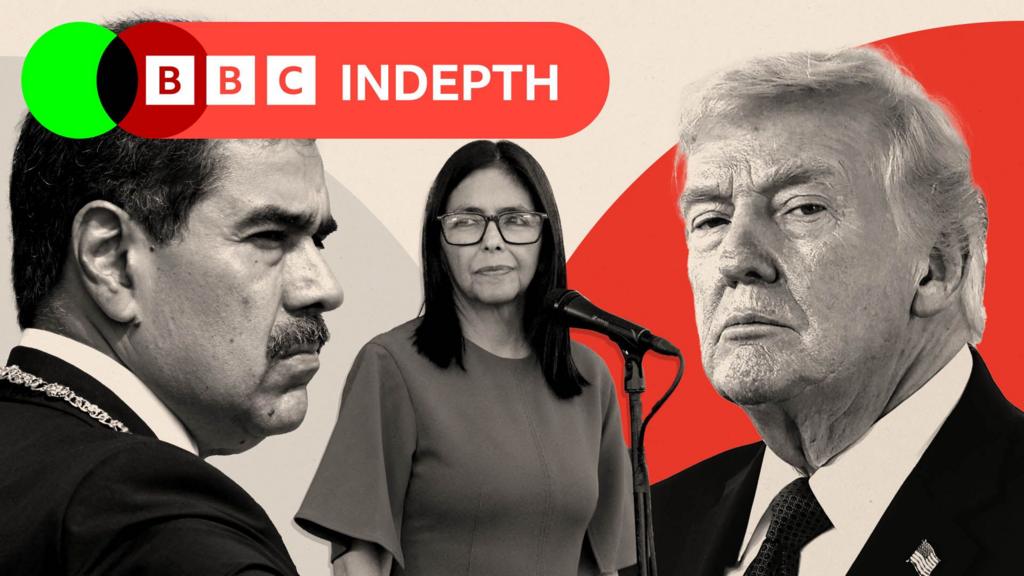
Venezuela's newly inaugurated president, Yvonne Pino, faces one of the most complex litmus tests in contemporary international politics: direct and mounting pressure from former President Donald Trump's camp, which has threatened to intensify economic sanctions if free elections are not called "immediately." However, political analysts and sources close to the Chavista government suggest the new leader, a pragmatic figure within the United Socialist Party of Venezuela (PSUV), does not arrive empty-handed and holds several negotiation cards that could redefine the tense stalemate with Washington.
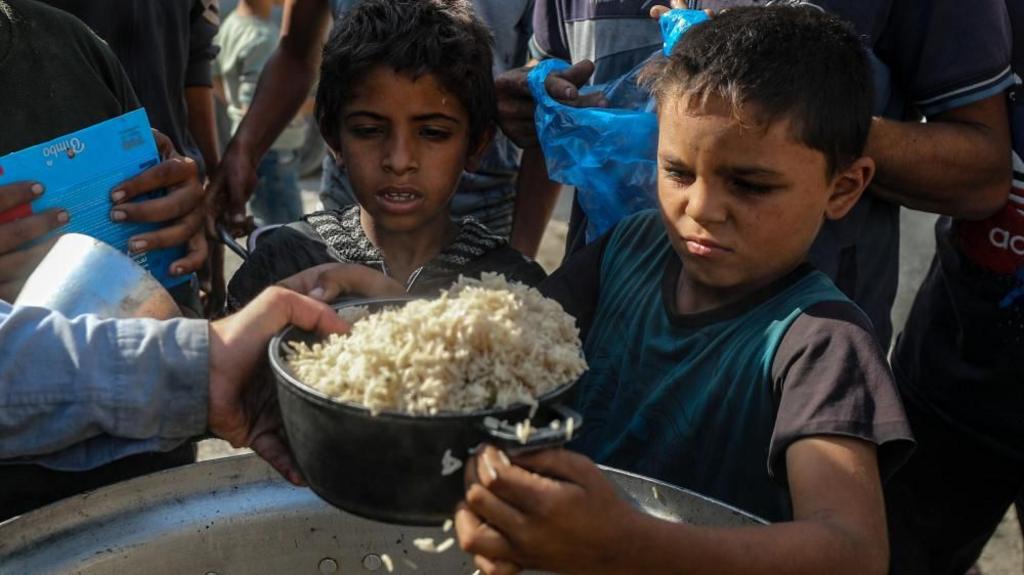
The context is critical. Venezuela is navigating a complex humanitarian crisis exacerbated by years of international sanctions, hyperinflation, and a deep economic recession. The Trump administration, even out of official power, maintains significant influence in Republican foreign policy and has made Venezuela a focal point of its rhetoric against socialist regimes in the hemisphere. The core demand is clear: the holding of presidential and legislative elections with full international supervision, something Chavismo has resisted by arguing it constitutes interference in its sovereignty.
Nevertheless, President Pino appears to be maneuvering with a strategy different from her predecessor's. According to intelligence reports leaked to international media, her government would be willing to engage in technical and discreet dialogue with U.S. actors, not about regime change, but about a "phased normalization" of relations. Among her possible "aces" would be greater cooperation in controlling the flow of Venezuelan migrants to North America, a highly sensitive political issue in the United States in an election year. Additionally, speculation exists about the possibility of offering guarantees to U.S. oil companies still operating in the country under special licenses, thereby protecting certain economic interests.
"The Pino administration recognizes that total isolation is unsustainable in the long term, but it also cannot yield to an ultimatum that means its immediate exit from power," explains Caracas-based political analyst María Fernanda Rodríguez. "Her game is one of time and the creation of accomplished facts that give her room to maneuver. An outreach to other global actors, like Russia, China, and even some European countries, allows her to diversify her dependence and reduce the effectiveness of Washington's unilateral pressure."
The impact of this "aces up her sleeve" strategy remains uncertain. On one hand, it could fracture the hitherto united Venezuelan opposition, divided between those advocating for negotiation and those insisting on maximum pressure. On the other, it could generate fissures within Chavismo itself, where orthodox sectors see any dialogue with "the empire" as treason. Internationally, however, several Latin American governments have shown signs of fatigue with the conflict and could support a negotiated exit that stabilizes the region.
In conclusion, Yvonne Pino's mandate is defined by a precarious balance between fierce external pressure and the internal need for economic relief. Her negotiation cards, while significant, do not guarantee success. The most likely scenario is a period of tense dialogue and symbolic gestures from both sides, where the true test will be whether she can convert her "aces" into concrete concessions that satisfy, at least partially, Washington's demands without crumbling her power base at home. The stability of Venezuela and the entire region may depend on this complex game of geopolitical poker.