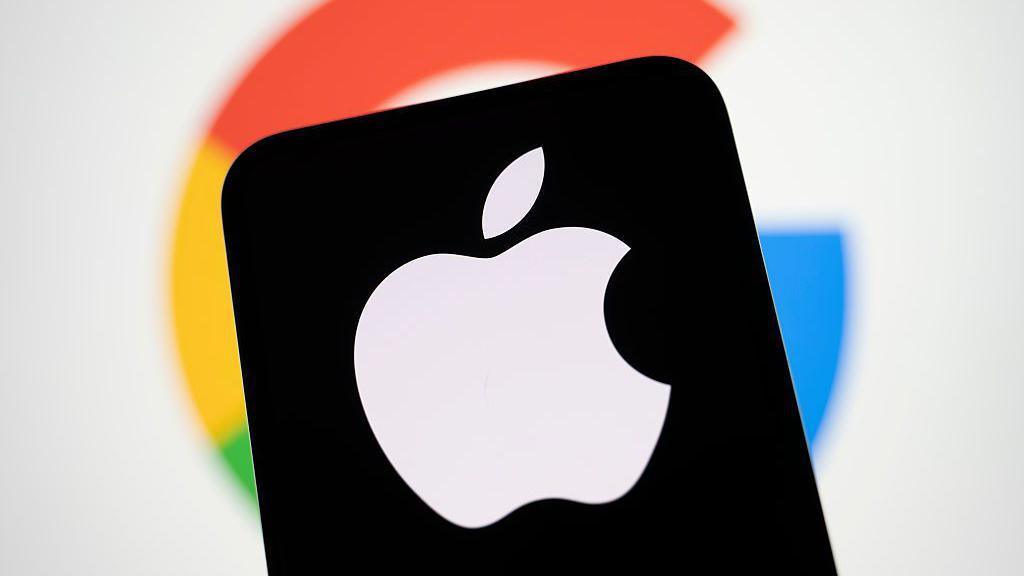
In a move that could reshape the digital landscape in the United Kingdom and potentially influence global markets, Apple and Google have reached an agreement with the UK's Competition and Markets Authority (CMA) to implement significant changes to the operation of their app stores. The regulatory intervention follows a CMA investigation that concluded both companies maintained an 'effective duopoly' over mobile app distribution, stifling competition and innovation. The proposed commitments, now subject to a public consultation, aim to create a fairer environment for developers and offer UK consumers more choice and control.
The CMA's investigation, launched in 2021, focused on Apple's iOS and Google's Android ecosystems, which together account for over 95% of all mobile app downloads in the UK. The regulator identified practices it deemed harmful, including strict rules forcing developers to use Apple and Google's proprietary payment systems, which typically charge commissions between 15% and 30%. Also criticized were restrictions that make it difficult for users to download apps from alternative sources (sideloading) and for developers to inform users about cheaper payment options outside the official stores.
The agreed-upon commitments are extensive and far-reaching. For Apple, they include allowing UK app developers to use alternative payment systems within their apps for digital purchases, without needing to use Apple's system. It also commits to making it easier for developers to inform users, within apps, about subscription and purchase options available outside the App Store ecosystem. For Google, which already allows more sideloading on Android, the commitments focus on increasing transparency and reducing technical barriers for developers wishing to use alternative payment methods or distribute their apps through other channels.
Sarah Cardell, Chief Executive of the CMA, stated: 'The commitments we have secured from Apple and Google are comprehensive and will create more opportunities for innovation in the UK's app sector. By addressing the concerns over the duopoly, we are paving the way for greater competition to benefit developers and, ultimately, consumers through greater choice and lower prices.' The CMA estimates these changes could boost the UK's app economy, valued at billions of pounds, by unlocking the potential of thousands of small and medium-sized developer businesses.
The impact of this regulatory decision extends beyond UK borders. The UK is positioning itself as one of the first major markets to impose such concrete changes on app store business models, following in the footsteps of legislation like the European Union's Digital Markets Act. The technical and policy changes Apple and Google implement to comply with the CMA in the UK are expected to, for operational efficiency, spill over into other markets or, at least, serve as a model for regulators in the United States, Australia, and Asia. For developers, especially those with subscription-based or in-app purchase business models, the potential savings on commissions could be transformative, allowing them to reinvest in innovation or lower prices for end-users.
The public consultation on the proposed commitments will be open until mid-May, after which the CMA will make a final decision. If confirmed, Apple and Google will have a defined timeline to implement the changes, likely starting to take effect in late 2024 or early 2025. This agreement represents a turning point in the relationship between tech giants and regulators, demonstrating that coordinated antitrust pressure can yield tangible results. As the digital world continues to evolve, this case underscores the growing importance of agile regulatory frameworks to ensure innovation is not stifled by overly restrictive market practices.