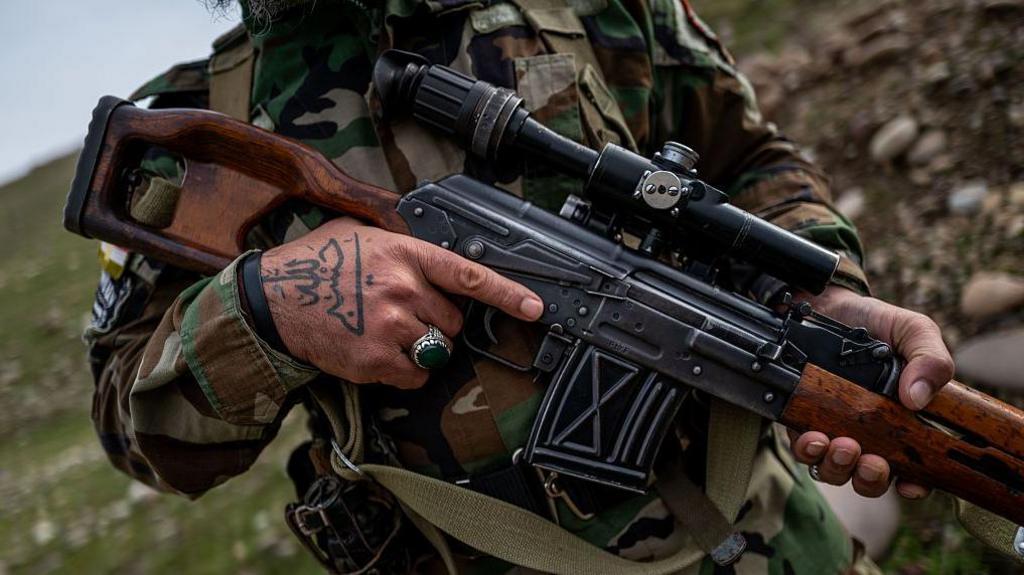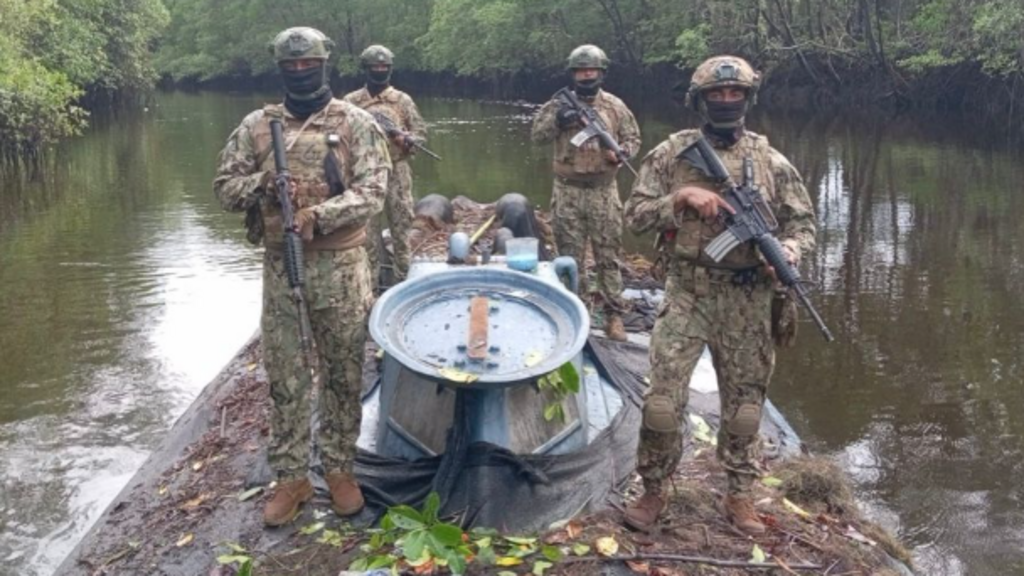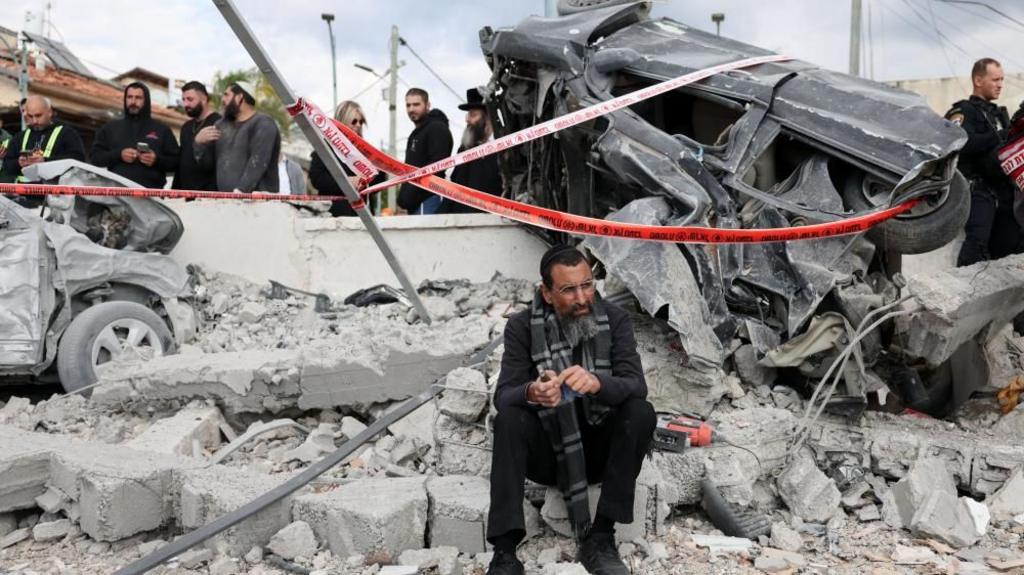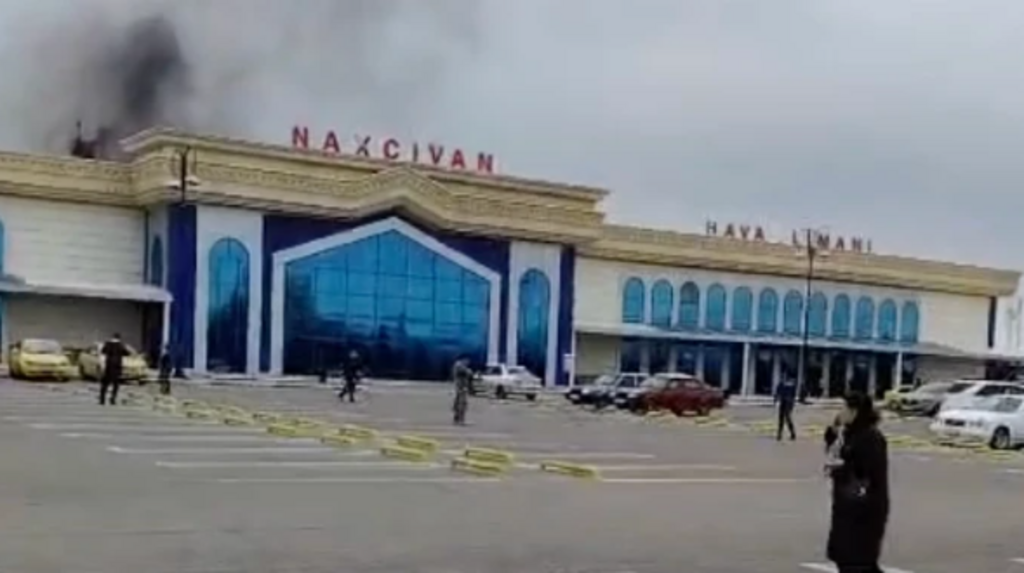
Tensions in the South Caucasus have escalated to a dangerous level following Azerbaijan's accusations that Iran carried out drone strikes against its territory. Azerbaijan's Ministry of Defense issued an official statement claiming that "Iranian armed forces" conducted "attacks using unmanned aerial vehicles" against targets within Azerbaijani borders. This incident marks a significant expansion of the regional conflict, which had previously focused primarily on disputes between Azerbaijan and Armenia over the Nagorno-Karabakh region. Authorities in Baku have summoned the Iranian ambassador to present a formal protest, calling the attacks a "flagrant violation of national sovereignty and international law."
The context for this escalation stems from decades of complex geopolitical tensions. Iran, a regional Shiite power, shares an extensive 765-kilometer border with Azerbaijan, a majority Shiite Muslim country but one with strong ties to Turkey and Israel. Tehran has repeatedly expressed concern about Israel's growing influence in Azerbaijan, including defense agreements and arms sales. Furthermore, Iran is home to a significant ethnic Azerbaijani minority, estimated at around 15 to 20 million people, adding a layer of domestic sensitivity to bilateral relations. Regional analysts note that recent Iranian military exercises near the border, coupled with rhetorical statements about "protecting national interests," had already created a charged atmosphere.
Relevant data provided by the Azerbaijani government, though not independently verified, indicates the attacks occurred in northwestern Azerbaijan, near the Gadabay district. No civilian casualties have been reported, but military sources speak of "limited material damage" to unspecified infrastructure. For its part, Iranian Foreign Ministry spokesman Nasser Kanaani categorically denied the allegations in a press conference, describing them as "baseless and provocative claims aimed at poisoning the atmosphere of relations between two brotherly nations." Kanaani added that Iran "has always respected the territorial integrity of its neighbors" and advocates for a "peaceful resolution of all disputes."
The immediate impact of these accusations has been visible military mobilization. Observers report increased movement of troops and equipment on both sides of the border. The Collective Security Treaty Organization (CSTO), led by Russia and of which Armenia is a member but Azerbaijan is not, has issued a call for "maximum restraint." Turkey, a key ally of Azerbaijan, has expressed its "steadfast support" for Baku's sovereignty. This situation creates a real risk of a broader conflict that could involve multiple regional actors and destabilize vital energy transport and trade routes crossing the region. Energy markets have reacted nervously to the possibility of disruptions.
In conclusion, Azerbaijan's accusations against Iran represent a dangerous turning point in the already volatile South Caucasus region. While independent verification of the events is difficult, the hostile rhetoric and military mobilizations are tangible facts that increase the risk of escalation. The international community, including the United Nations and influential powers like Russia and the European Union, faces the urgent task of exercising containment diplomacy. The stability of a region that serves as a crucial corridor between Europe and Asia and hosts significant energy resources hangs in the balance. The immediate priority must be to establish direct communication channels and fact-finding mechanisms to prevent a localized incident from spiraling into an open conflict with unpredictable consequences for regional and global security.