In a bizarre case that has shocked environmental authorities and captured international attention, Italian police have discovered that a dog was methodically trained to dispose of bags of rubbish illegally, thereby allowing its owner to avoid paying municipal waste collection fees. The discovery was made in the Campania region of southern Italy, an area historically plagued by waste management problems and the scourge of the 'ecomafia'. Investigations began following complaints from residents who reported recurring sightings of a canine, apparently a medium-sized mixed breed, dragging black rubbish bags to a vacant lot on the outskirts of a small town near Naples.
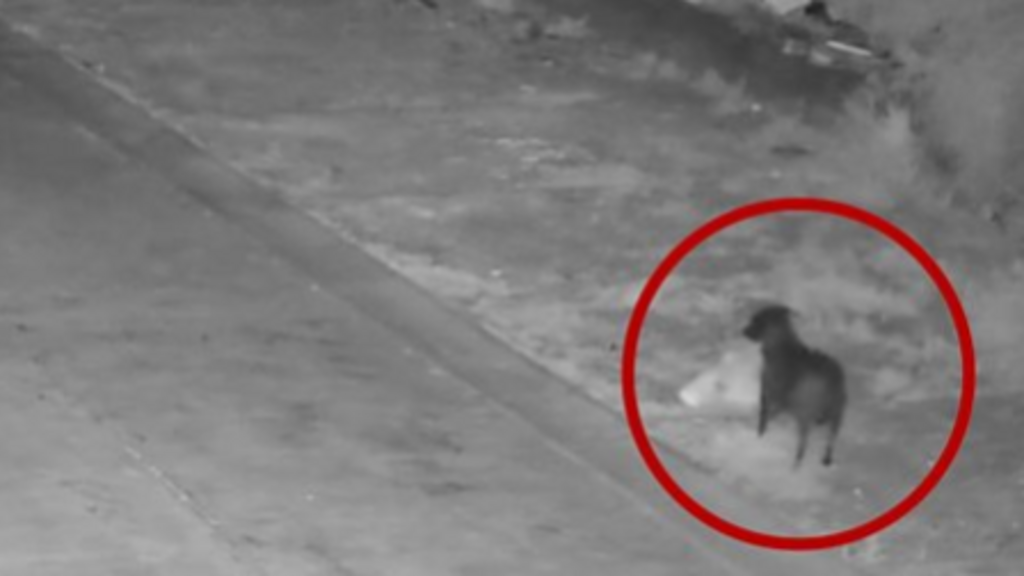
Authorities, initially skeptical, installed hidden surveillance cameras that captured clear footage of the animal performing its task. The recordings show the dog exiting a property, picking up a bag previously placed by the door with its muzzle, and carrying it some two hundred meters to a wasteland, where it would drop it among bushes and debris. This behavior was repeated several times a week, always in the early morning or at dusk. "At first we couldn't believe what our cameras were seeing," said local police commander Luigi Rossi. "We thought it was a coincidence, but the pattern was too perfect, too repetitive. The animal wasn't roaming; it was executing a learned task."
The investigation led to the dog's owner, a 55-year-old man identified only as 'Antonio S.' under Italian privacy laws. When questioned, the man admitted, after initial denial, to having trained his pet, a rescue dog named 'Lucky', over several months. According to his statement, the training involved rewarding the animal with treats each time it transported an object (initially a toy) from inside the house to a specific outdoor point. Gradually, he increased the weight and changed the object to real rubbish bags, until the dog associated the action with a reward. The confessed goal was to evade payment of the 'tassa sui rifiuti' (waste tax), the cost of which depends on the volume of waste officially collected by municipal services.
This case highlights a broader and more serious problem in Italy: the illegal management of waste. Campania is sadly famous for the activities of organized criminal groups, the so-called 'ecomafia', which control illegal landfills and waste fires, with devastating consequences for the environment and public health. Although the case of the dog 'Lucky' is almost comical in its uniqueness, prosecutors stress that it represents the same criminal mentality that fuels larger ecological crises: the pursuit of personal benefit or savings by circumventing rules designed to protect the community. "It's not just a curious anecdote," stated environmental prosecutor Maria Grazia Romano. "It is a symptom of a culture of illegality that we must eradicate. If people prefer to train their dog rather than pay a few euros for an essential service, we have a serious social problem."
The legal impact is significant. The owner faces substantial fines for illegal dumping, which can exceed 3,000 euros, and possibly charges of animal abuse, as animal protection associations argue that subjecting an animal to such a task constitutes exploitation. Lucky was confiscated by the authorities and placed in the custody of a local shelter for veterinary and behavioral assessment. On the other hand, the case has generated intense public debate. On social media, many users have expressed disbelief and humor, while environmentalists and authorities are using it as an extreme example for awareness campaigns on proper waste disposal.
In conclusion, the story of the dog trained to illegally dump rubbish in Italy goes beyond a mere police oddity. It acts as an alarming metaphor for the challenges the country faces in the fight against environmental offenses, large and small. It shows how ecological crimes can take unsuspected forms and underscores the need for ongoing civic education, along with rigorous law enforcement. While Lucky awaits a new family in a more appropriate environment, his story serves as a peculiar but powerful reminder that responsibility for our planet begins at home, and cannot be delegated, not even to the paws of our pets.