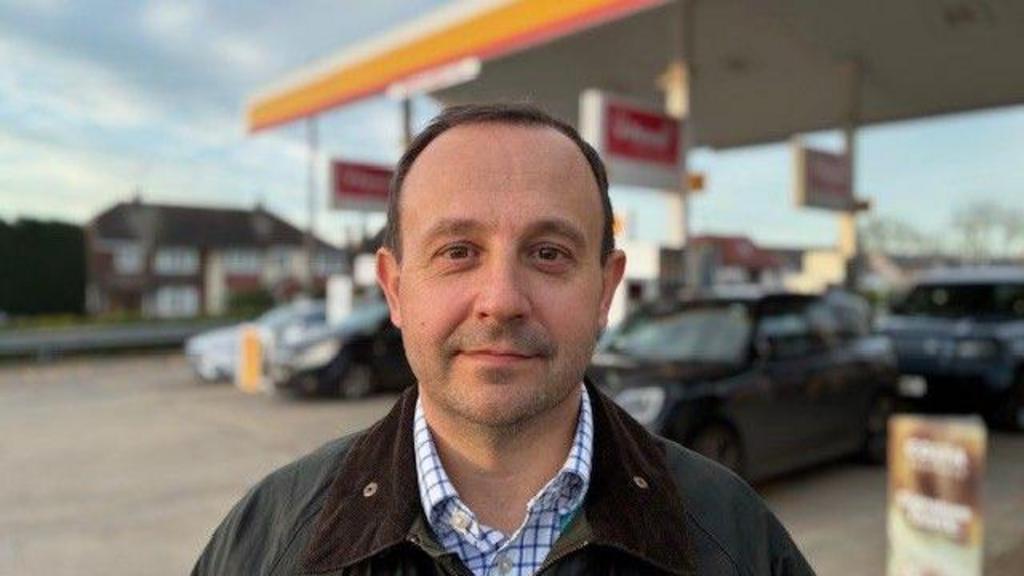
Amid a global energy price crisis squeezing household budgets, frontline staff at fuel stations have become targets of mounting frustration and, at times, verbal and even physical abuse. A manager of a fuel station chain in the UK, who has requested anonymity for fear of reprisals, has spoken to this outlet to provide an insider's perspective, arguing that retail companies are not profiteering on fuel and making an emotional plea to protect his staff.
The context is complex. Crude oil prices have experienced extreme volatility in recent years, influenced by the war in Ukraine, OPEC+ decisions, and geopolitical tensions in the Middle East. These costs are passed down the supply chain through refineries, distributors, and finally to retail stations. However, public perception, fueled by headlines about record profits for major oil companies, is that every link in this chain is getting rich at the expense of the ordinary citizen. The interviewed manager emphasizes that this is a simplistic and dangerous view.
'Margins on retail fuel sales are incredibly tight, often just a few pence per liter,' he explains. 'We don't set the crude price. We buy fuel at a wholesale price that fluctuates daily, and on top of that we add our operational costs: wages, energy for the premises, maintenance, taxes, and a small profit. When prices rise rapidly, we are the ones who face people's anger, but we are mere transmitters of a global market.' To support his argument, he cites data from the UK's Petrol Retailers Association (PRA), indicating that the average profit margin on gasoline sales is around 10 pence per gallon, a figure that has not grown disproportionately.
The real cost, according to his account, is human. 'My team, from the young part-timers to managers with decades of experience, is on the front line. They get yelled at, insulted, threatened, and in some regrettable cases, have been spat at or shoved. People arrive frustrated, watching their bank accounts drain every time they fill up, and they take that frustration out on the most accessible person: the station attendant. It's heartbreaking and utterly unfair.' He recounts a recent incident where a customer, furious at the price displayed on the pump, threw a hot cup of coffee against the payment booth window.
The impact of this ongoing abuse is profound. The manager points to growing issues with mental health, anxiety, and an exodus of experienced staff. 'We are struggling to retain people. Who wants a job where you are treated like a criminal for doing your work?' This, in turn, creates a vicious cycle: fewer staff means worse service, longer wait times, and potentially more customer frustration.
In conclusion, the manager's plea is twofold. First, he asks the media and politicians to nuance the public discourse, differentiating between profits at the crude production level (upstream) and the reality of the retailer (downstream). Second, and more urgently, he calls for public empathy. 'Please remember that the person behind the counter has no control over global oil prices. They are human beings trying to make a living in a tough job. The next time you see a price that upsets you, take a deep breath. Anger directed at my team will not lower the cost of a barrel of oil, but it can shatter a person's life.' The energy crisis is a global structural problem, but its most painful and visible consequences are being played out at petrol forecourts, where low-paid workers become scapegoats for economic forces beyond their control.