On Saturday morning, an uneasy silence fell over the Twitter platform. After weeks of announcements and threats from its owner, Elon Musk, regarding a mass purge of the classic blue verification checkmarks from legacy accounts, users woke up to a reality far different from what was promised. Instead of a widespread removal, the platform executed a surgical and seemingly personal strike: it stripped verification solely from the main account of the American newspaper The New York Times. This selective move, perceived as an act of retaliation against a critical publication, has ignited a fresh firestorm of controversy over fairness, transparency, and the wielding of power on the social network now rebranded as X.
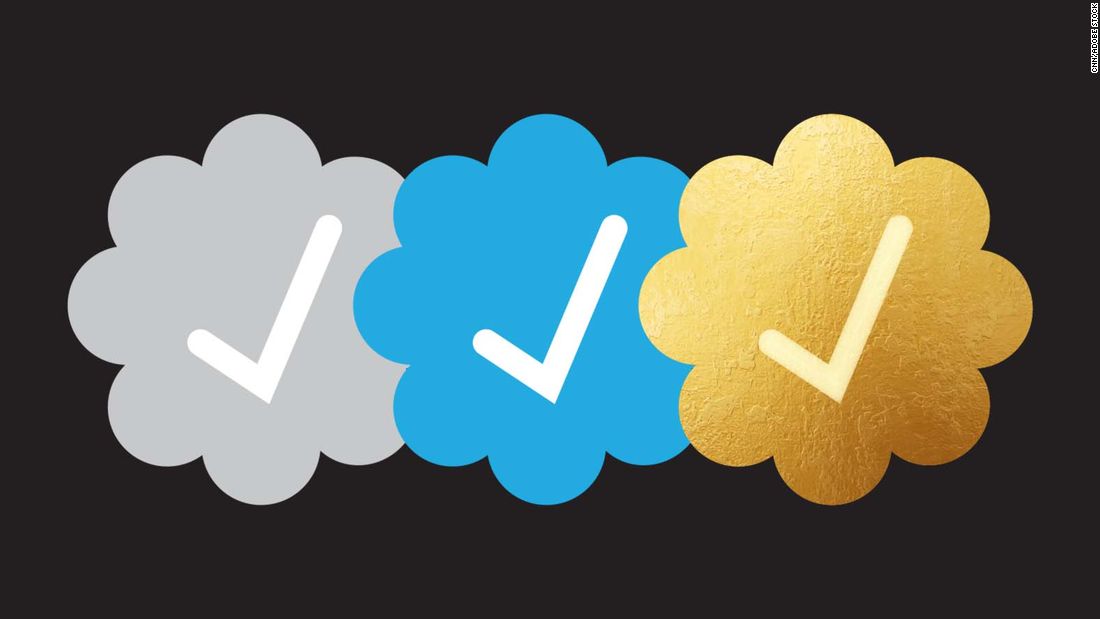
The context for this action dates back to Musk's acquisition of Twitter in October 2022. One of his first and most controversial decisions was to overhaul the verification system, primarily linking it to a paid subscription called Twitter Blue (now X Premium). Traditionally verified accounts, including media outlets, public figures, and organizations, were initially given a "legacy verified" label that, according to Musk, would eventually be removed. The deadline for this purge was repeatedly set, creating an atmosphere of anticipation and confusion. However, Saturday's implementation contradicted the narrative of a general cleanup. While thousands of accounts belonging to celebrities, athletes, and journalists retained their inherited blue badges, the iconic blue check of The New York Times (@nytimes), with its 55 million followers, vanished.
The action was not accompanied by clear official communication from X Corp. Instead, the platform subtly altered the wording in its help section regarding verification. Previously, verification indicated an account was "authentic, notable, and active." The new wording, observed by users, removes the word "notable" and describes the blue checkmark simply as an account that "has been verified because it's an X Premium subscriber and we've verified that the account is authentic." This semantic shift appears to be an attempt to rewrite the history and original purpose of the system, obscuring the reason why many prominent, non-paying users still retain their badges.
The relationship between Elon Musk and The New York Times has been publicly antagonistic. Musk has repeatedly criticized the newspaper, accusing it of ideological bias and poor-quality journalism. Last December, when the paper chose not to pay for X's corporate verification (a monthly $1,000 service), Musk called the decision "hypocritical." Therefore, Saturday's action is widely interpreted as a direct and personalized punishment. "It's a mogul's revenge, not the enforcement of a policy," stated a media analyst who requested anonymity. "By selectively targeting an influential critic, Musk sends a chilling message about what could happen to other dissenting voices on his platform."
The impact of this move extends beyond a mere graphic symbol. Verification on social media has become a crucial tool against misinformation and identity impersonation. For an outlet like the Times, whose credibility is its primary asset, losing the blue check on a platform rife with false news could, in theory, expose it to malicious impersonation campaigns. However, the obviously selective nature of the act may have the opposite effect of what Musk intended: strengthening the perception of the Times as an independent institution refusing to bow to platform-owner pressure, while further eroding trust in X's governance.
This situation highlights the growing tensions between tech magnates who own global communication platforms and institutional journalism. It sets a dangerous precedent where platform integrity tools, like verification, can be weaponized against entities due to personal or ideological disagreements. For users and advertisers, it is another signal of the volatility and unpredictability that defines the Musk era at Twitter. The promise of an equitable purge morphed into a personal settling of scores, revealing that under his control, the rules of the game can be bent to serve his grievances, casting doubt on the platform's future as a neutral public forum. The New York Times' blue checkmark may be gone, but the stain on X's credibility is now more visible than ever.