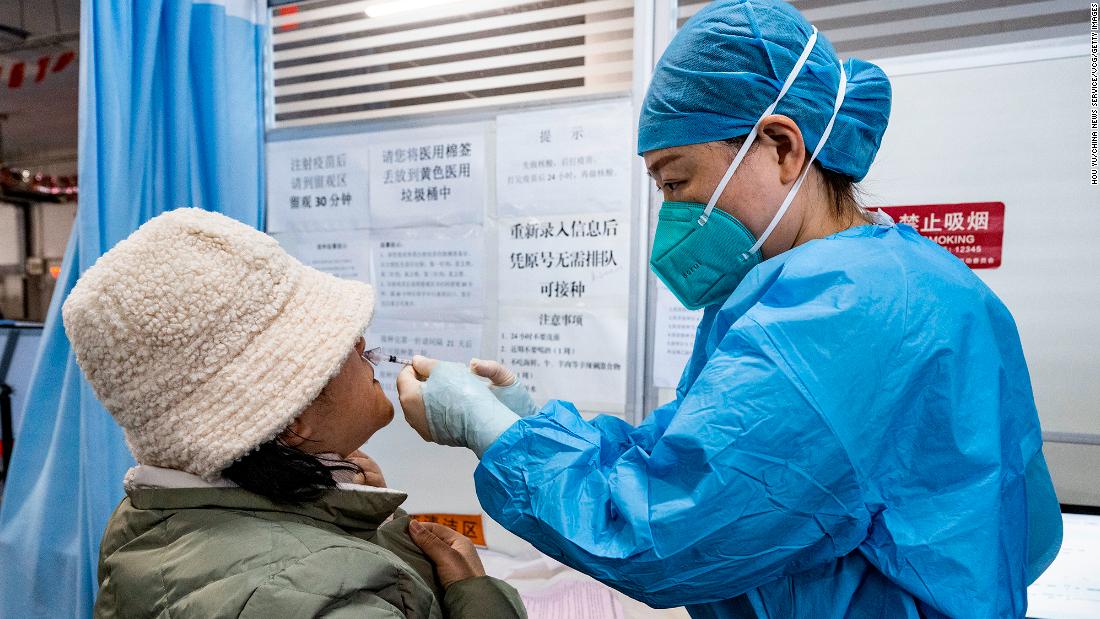
A team of German scientists has announced a significant breakthrough in the fight against Covid-19: the development of a nasal vaccine that, according to their preliminary studies, can block SARS-CoV-2 infection directly in the upper respiratory tract, the virus's initial point of entry into the body. This research, still in its early stages, represents a paradigm shift in immunization strategy, moving from a systemic approach to one localized at the mucosal surfaces where the battle against the pathogen truly begins.
The context of this discovery lies in the evolution of the pandemic and the observed limitations of current intramuscular vaccines. While these have demonstrated extraordinary efficacy in preventing severe disease, hospitalizations, and deaths, they have a more limited capacity to generate sterilizing immunity in the nasal and pharyngeal mucosae. This means that although a vaccinated person is protected from severe Covid-19, they can still become infected and potentially transmit the virus. The new nasal vaccine, administered directly into the nose, aims to train the immune system precisely at that frontline, generating a strong IgA antibody and memory T-cell response in the mucosae, creating a barrier that prevents viral entry and replication from the outset.
Relevant data, although from preclinical studies in animal models, is encouraging. The researchers, whose work has been published in a prestigious scientific journal, observed that the intranasal administration of their vaccine candidate generated high levels of specific neutralizing antibodies in the nasal and lung mucosae. In subsequent viral challenges, vaccinated animals showed extremely low or undetectable viral loads in the nose and throat, suggesting an ability to 'shut down' the infection at its gateway. "Our goal was to create an immune barrier at the exact location where the virus lands and begins to replicate. The results indicate we have achieved precisely that: a potent, localized response that can stop the infection in its tracks," stated Dr. Lena Schmidt, lead researcher on the project at the Berlin Institute of Virology.
The potential impact of this technology is multifaceted. Firstly, it could drastically reduce virus transmission, bringing us closer to the elusive concept of sterilizing herd immunity. A vaccine that prevents infection, not just disease, would be a key tool for controlling viral circulation, especially in the face of emerging variants. Secondly, the nasal route of administration is less invasive, could simplify mass vaccination processes, and increase acceptance among certain population groups. Furthermore, this platform could be adapted relatively quickly to address other respiratory pathogens, such as influenza or Respiratory Syncytial Virus (RSV), opening a new frontier in preventive medicine.
However, scientists are cautious and emphasize that this is an early promise. The path from preclinical studies to authorization for human use is long, costly, and fraught with potential hurdles. Phase I, II, and III clinical trials will be needed to demonstrate safety, correct dosing, and ultimately, efficacy in people. The conclusion, therefore, is one of moderate yet well-founded optimism. The work of the German team not only offers a potential new weapon against Covid-19 but also scientifically validates the mucosal immunization approach as a cutting-edge strategy. As the world continues to coexist with SARS-CoV-2, the development of second-generation vaccines, like this nasal one, is emerging as an essential step to move from damage mitigation to definitive pandemic control.