Russian forces escalated their offensive in northeastern Ukraine on Thursday, launching a series of missile and drone strikes against the Kharkiv region that, according to Ukrainian authorities, resulted in the deaths of at least four civilians, including two children. The bombardments, which targeted residential areas and civilian infrastructure on the outskirts of the country's second-largest city, mark a concerning escalation in Moscow's aerial bombardment campaign, which has systematically sought to weaken Ukraine's morale and logistical capacity since the start of the full-scale invasion in February 2022.
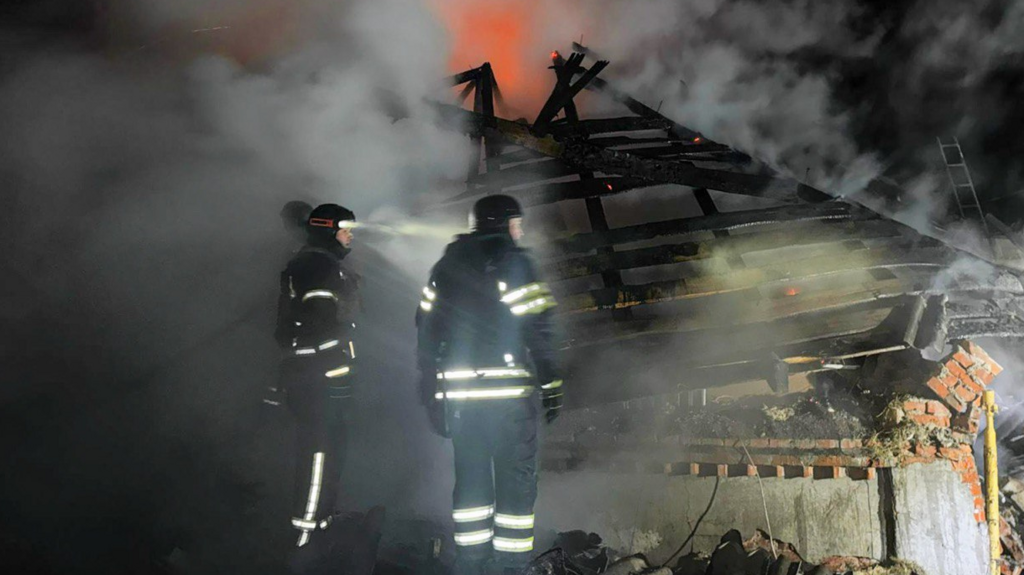
The attack occurred in the early morning hours, when artillery shells and kamikaze drones struck an apartment building complex in the Saltivka district, on the northern outskirts of Kharkiv. Emergency services worked for hours amid the smoldering rubble to rescue the wounded and recover bodies. The governor of the Kharkiv region, Oleh Syniehubov, confirmed the fatalities in a statement on Telegram. "The Russian occupiers attacked a residential area. As a result of the shelling, four people were killed, including two children. Three more people were injured," Syniehubov stated, adding that rescue teams were still assessing the damage at the scene.
The context of this attack is particularly alarming, as it comes amid a new Russian ground offensive in the northeastern border area, specifically in Kharkiv Oblast. In recent weeks, Russian forces have opened a new front in this area, capturing several villages and putting pressure on Ukrainian defenses, which are already stretched along a frontline of over 1,000 kilometers. Kharkiv, located just 30 kilometers from the Russian border, has been a constant target since the war began. The city endured a brutal siege in the first months of the conflict and, although it was largely liberated by late 2022, remains vulnerable to missile and drone attacks, which occur almost daily.
Statements from Ukrainian leaders reflect a mix of grief and outrage. President Volodymyr Zelenskyy, in his customary nightly address, referred directly to the attack. "Today, the Russians killed two children in Kharkiv. These are crimes for which every criminal, every commander, every author of the orders will have to answer. There is no forgiveness for them," Zelenskyy stated gravely. Meanwhile, Kharkiv Mayor Ihor Terekhov described the scene as "another horrible day" for the city, highlighting the psychological impact these random strikes have on a civilian population that has lived under constant threat for over two years.
The humanitarian impact of such bombardments is devastating and extends beyond the immediate victims. Each attack of this kind destroys homes, disrupts essential services like electricity and water, and displaces families already traumatized by the war. International organizations, including the UN and the International Committee of the Red Cross, have repeatedly documented the use of explosive weapons in populated areas by both sides, although the vast majority of civilian casualties and damage to civilian infrastructure are attributed to Russian forces, according to independent monitoring reports. International humanitarian law prohibits indiscriminate attacks and those specifically targeting civilians.
On the military and political front, this incident reinforces Ukraine's urgent calls to its Western allies to accelerate the delivery of air defense systems. Ukraine has received systems like the US-made Patriot and Germany's IRIS-T, but Ukrainian officials argue that coverage is insufficient to protect such a vast territory. The attack also highlights Russia's attrition strategy, which seeks to exhaust Ukrainian defenses and the will of its partners ahead of potential larger offensive moves in the future. Military analysts suggest the Kharkiv bombings could have the dual objective of causing civilian casualties and pinning Ukrainian defense resources in the north, distracting them from other critical points on the front, such as Donetsk in the east.
In conclusion, the death of four civilians, including children, in an attack near Kharkiv is a grim reminder of the brutal reality of the war in Ukraine. Beyond tactical figures and territorial movements, the conflict continues to take an intolerable human toll, day after day. This event will likely strengthen Ukraine's determination to continue the fight and renew international debate on the need to provide not only weapons but also greater protection for the civilian population. As the international community condemns the attack, the persistent question is how to stop this spiral of violence that, after more than two years, shows no signs of a nearing end.