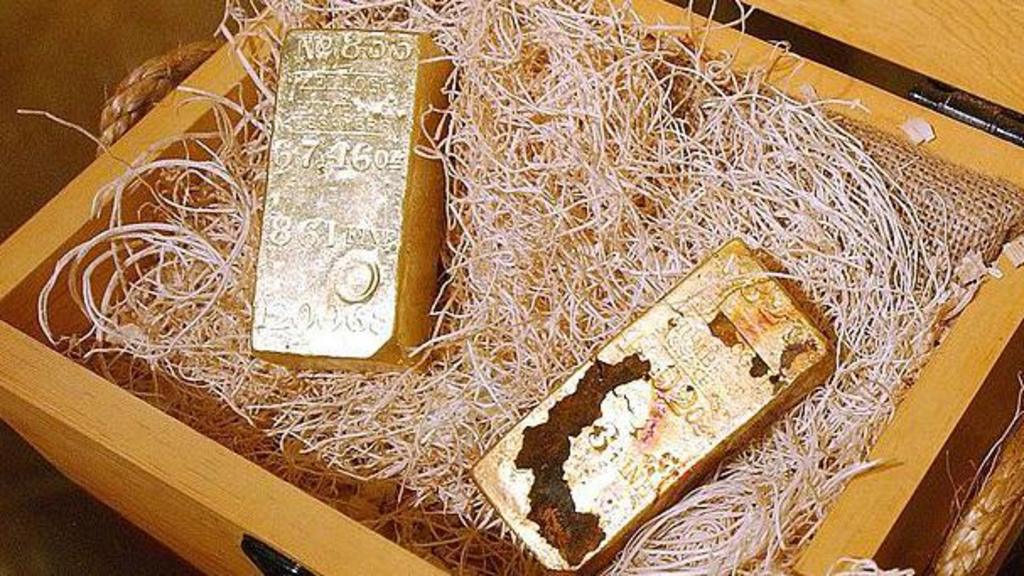
In a case that has shaken the foundations of underwater archaeology and maritime law, Tommy G. Thompson, one of America's most famous and controversial treasure hunters, has been released from prison after serving a sentence for contempt of court. His crime: repeatedly refusing to disclose the location of 500 gold coins, worth millions of dollars, recovered from the legendary shipwreck of the SS *Central America*, a steamship that sank in 1857 off the coast of South Carolina carrying a cargo of California Gold Rush gold.
Thompson's story is a modern epic that began in the 1980s. Leading a consortium of investors who contributed nearly $12.7 million, he mounted a high-tech expedition that, in 1988, located the remains of the "Ship of Gold" at a depth of over 2,200 meters. The recovery, considered a technological milestone, brought to light a treasure of more than 3,000 gold coins and 45 gold bars, with an initial estimated value of $100 to $150 million. However, success was soon tarnished by decades of legal battles. Investors sued Thompson, claiming they never received their share of the profits. Insurance companies that had indemnified the loss of the gold in the 19th century also claimed rights to the find.
The conflict reached a climax when a federal court ordered Thompson to testify under oath about the whereabouts of 500 specific gold coins that remained unaccounted for. Thompson, who has spent much of the last years as a fugitive or in confinement, refused on multiple occasions, leading to criminal contempt charges. "I cannot comply with the order," he stated in a hearing, citing mental and physical health issues. His lawyers argued that the pressure and complexity of the case prevented him from cooperating. Finally, after years of litigation and several failed attempts to secure his cooperation, a federal judge ruled that his prolonged imprisonment for contempt was no longer coercive and ordered his release, although he remains under court supervision and the civil case regarding the treasure's distribution remains open.
The impact of this case goes beyond a mere financial dispute. It calls into question the regulation of wreck exploration in international waters and the perpetual tension between private profit and historical preservation. Marine archaeologists have long criticized treasure hunters like Thompson for prioritizing the monetary value of artifacts over their scientific integrity and historical context. "Every coin moved without documentation is a page torn from a history book," commented Dr. Susan Langley, an underwater archaeologist. On the other hand, advocates of private exploration argue that without the financial incentive and risk taken by investors like Thompson's backers, many of these historical treasures would lie forever forgotten in the deep.
The conclusion of Thompson's prison chapter is not the end of the story. His release leaves pending a tangled legal web that will determine the final fate of the SS *Central America* riches. The original investors, some now deceased, still await compensation. Insurance companies maintain their claims. And 500 gold coins, a tangible symbol of an era's wealth and disaster, remain missing. The case serves as a monumental warning about the legal and ethical risks lurking in the depths, where the gleam of gold often overshadows complex obligations to history, investors, and the law.