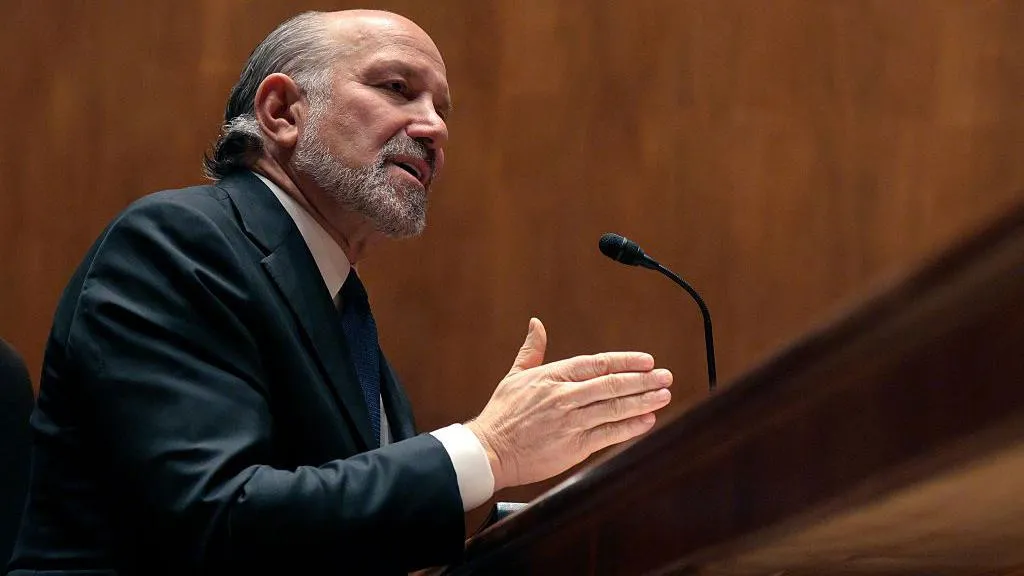
In a statement set to reignite the flames of a scandal that has haunted political and financial elites for years, former Trump administration Commerce Secretary Wilbur Ross confirmed on Tuesday that he had in the past visited the private property of financier Jeffrey Epstein on Little St. James Island. The confirmation comes amid renewed scrutiny over the connections of powerful figures to the convicted sex trafficker, who died in 2019 while awaiting trial. Ross, a billionaire investor appointed by former President Donald Trump in 2017, issued a statement through his spokesperson seeking to contextualize the visit, which he said occurred "decades ago" in a "strictly social" context and before Epstein's criminal actions were widely known.
The context of this revelation is crucial. Little St. James Island, located in the U.S. Virgin Islands, has been described in court documents and testimonies as the epicenter of the sexual abuse and minor trafficking network orchestrated by Jeffrey Epstein. Since his death, a cascade of information, including the unsealing of court documents and an investigation by the *Miami Herald*, has exposed an extensive web of contacts ranging from royalty and high-level politicians to business magnates and academics. Ross's confirmation places him on a growing list of public figures who have had to explain their association with the financier, a topic that remains an open wound in American politics.
Relevant data about the visit is scarce on specific details. Ross's spokesperson did not provide an exact date, the purpose of the meeting, or who else was present, citing merely the passage of time. This information vacuum is characteristic of many statements regarding Epstein, where vagueness prevails. Ross, 86, was a key figure in the trade policy of the Trump era, overseeing aggressive tariffs and negotiations with China. His career in finance, which included running investment funds and chairing banks, placed him in circles where Epstein, allegedly operating as a wealth manager for the ultra-rich, also moved. The connection, while implying no guilt on Ross's part, inevitably raises questions about the ease with which Epstein infiltrated the highest echelons of society.
Regarding statements, Ross's spokesperson was emphatic about the innocuous nature of the encounter: "Secretary Ross recalls visiting Epstein’s island decades ago on one occasion, in a strictly social context. At that time, like the vast majority of the public, he was unaware of the horrific crimes for which Epstein was later convicted." However, victim advocacy groups and critical observers have pointed out that such explanations are insufficient. Lisa Bloom, an attorney who represented several Epstein victims, commented on social media: "Every new confirmation of a visit to that island is a reminder that Epstein meticulously designed his network to include people with power and influence. The question for each of them is: what did they see, what did they know, and what did they do about it?"
The impact of this confirmation is multifaceted. Politically, it adds another layer of controversy to the already complex legacy of the Trump administration, whose members, including the former president himself, have faced questions about their links to Epstein. For the Republican Party, it may become a point of friction in an election year, though Ross no longer holds an official position. Socially, it reinforces the narrative of impunity and privileged connections that allowed Epstein to operate for so long. Legally, while unlikely to trigger direct actions against Ross, it fuels public pressure for greater transparency and the full declassification of all documents related to Epstein's associates.
In conclusion, Wilbur Ross's admission of having visited Epstein's infamous island is a grim reminder of the long and persistent shadow the Epstein scandal casts over the American elite. As victims continue their pursuit of justice and accountability, each new revelation, however old, serves to keep alive the demand for complete answers. The story underscores the critical need for continued scrutiny and reflection on how individuals with criminal backgrounds could so easily access the corridors of power, a topic that transcends political affiliations and demands greater institutional and ethical vigilance in the future.