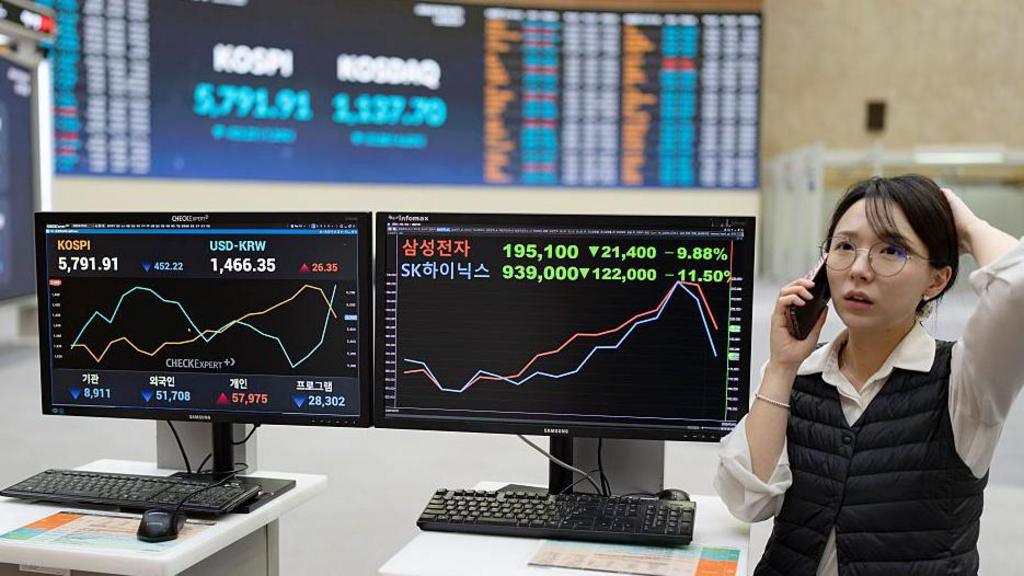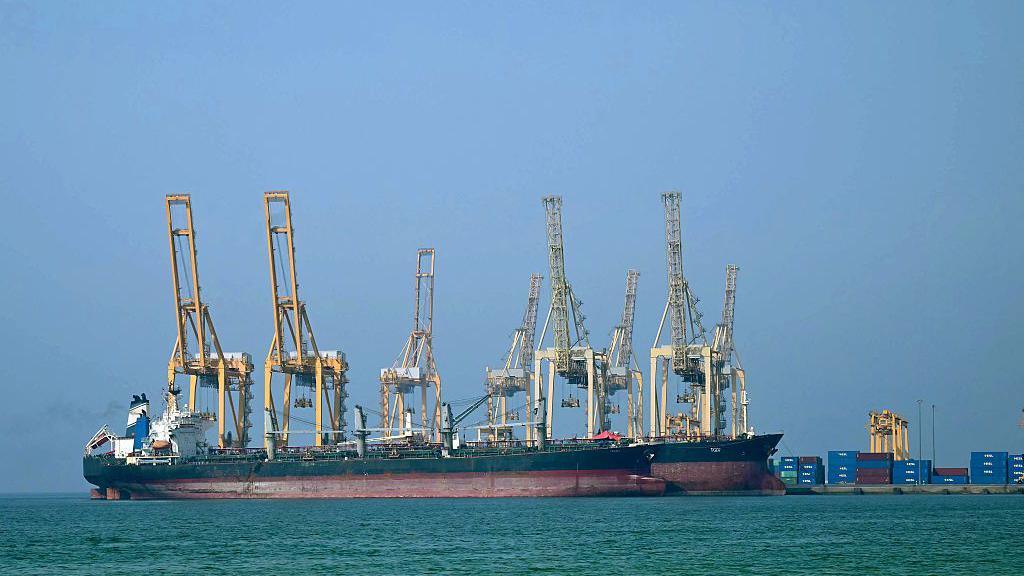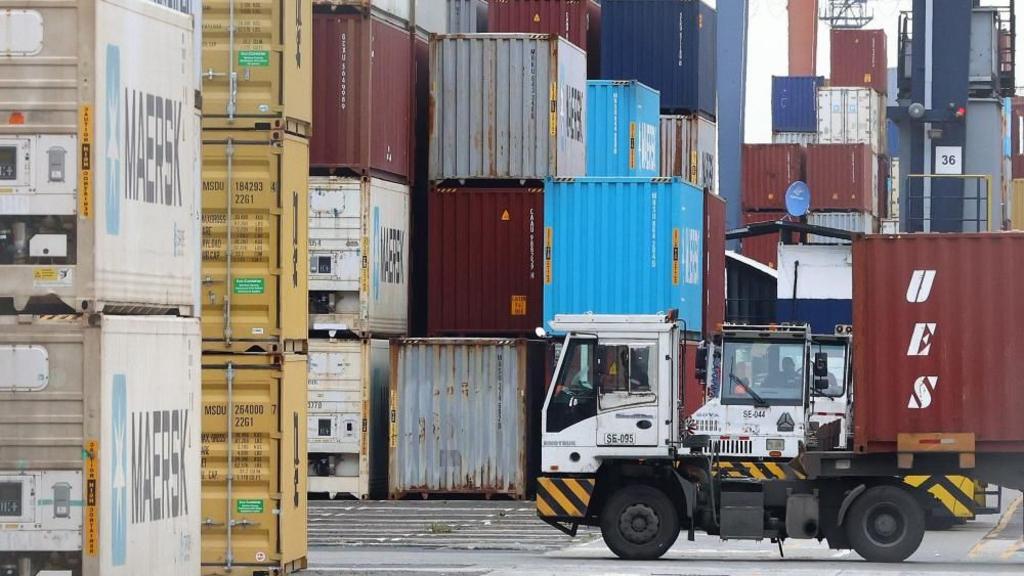
The era of trade wars initiated by the Trump administration between 2017 and 2021 left a deep scar on the multilateral trading system that had governed since World War II. The imposition of massive tariffs, primarily on China but also on traditional allies like the European Union and Canada, under the banner of 'America First,' was not a mere policy adjustment but a strategic earthquake. Then-President Donald Trump utilized Section 301 of the Trade Act of 1974 and national security arguments to justify levies on hundreds of billions of dollars in imports, openly challenging the norms of the World Trade Organization (WTO). This unilateral approach fractured alliances, destabilized global supply chains, and marked a historic turn toward protectionism and economic confrontation as tools of foreign policy.
The context for this rupture dates back decades of discontent within U.S. political and economic sectors regarding the effects of globalization, particularly the loss of manufacturing jobs and chronic trade deficits. Trump channeled this discontent, arguing that trade deals like NAFTA (now USMCA) and China's accession to the WTO had been detrimental to American workers. The data is telling: in 2018, his administration imposed 25% tariffs on $50 billion worth of Chinese imports, followed by additional rounds that raised duties on over $350 billion in goods. China responded with symmetrical measures, unleashing an escalation that slowed global economic growth and sowed market uncertainty. Although a 'Phase 1' trade deal in 2020 temporarily eased tensions, the core tariffs remained, creating a new status quo.
Statements from the time reflect the ideological divide. 'Tariffs are the greatest,' Trump repeatedly asserted, defending them as a tool to force better deals. In contrast, IMF Managing Director Kristalina Georgieva warned that 'trade wars have no winners, only losers,' underscoring the collateral damage to confidence and investment. The impact was multifaceted: U.S. businesses faced higher input costs, many farmers lost access to crucial markets and required government bailouts, while consumers absorbed some of the higher prices. Geopolitically, the conflict accelerated the technological decoupling between the U.S. and China, particularly in sectors like semiconductors and 5G telecommunications.
Today, the legacy of Trump's tariffs shapes a radically different trade landscape. The Biden administration has largely maintained the measures, albeit with a more strategic and ally-centric approach, seeking to form 'clubs' of like-minded nations to counter China. The WTO, already weakened, struggles for relevance with its dispute settlement mechanism paralyzed. Supply chains, battered first by the trade war and then by the pandemic, are being reconfigured under the paradigm of 'resilience' and 'security,' prioritizing redundancy and geographical proximity over pure efficiency. This implies a potential regionalization of trade and increased long-term costs.
The conclusion is that the rules-based, open, and multilateral trade order that prevailed for 70 years has been, if not destroyed, severely damaged. The question 'What now?' does not have a simple answer. The path forward oscillates between two extremes: a difficult effort to revitalize and reform multilateralism, or a consolidation of a world fragmented into competing economic blocs. The choices made by the United States, China, and the European Union in the coming years will determine whether the protectionism of the Trump era was an anomaly or the new baseline for a more divided and less cooperative global economy. Economic stability and geopolitical peace hinge significantly on this outcome.